

PhotonX Innovation Lab
Send the material. We’ll send back the answer.
Every laser company will tell you their machine can process your material. We would rather show you. Trials come back as parts you can hold and a report your engineers can argue with.
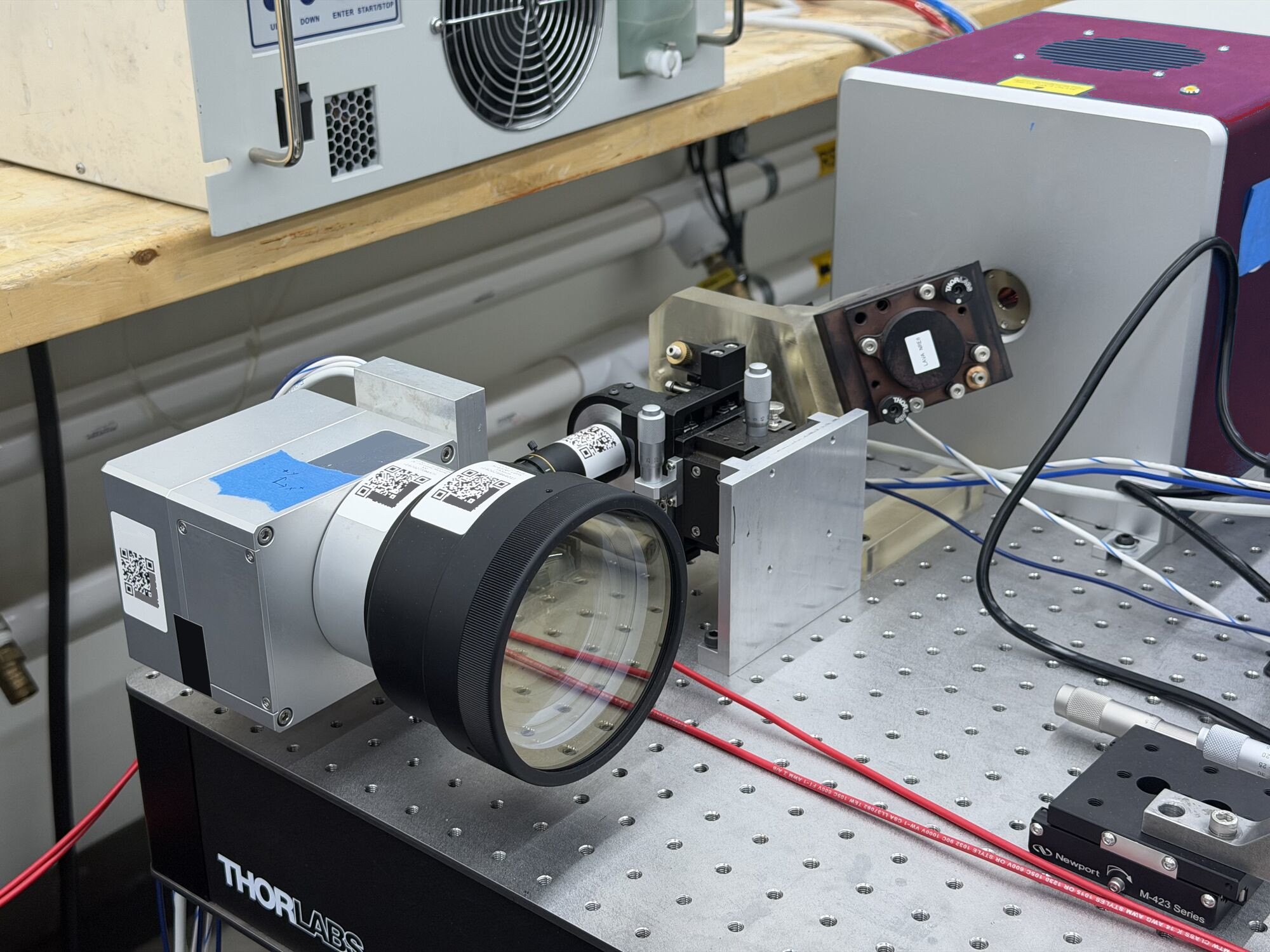
Trials run on the same classes of laser sources and scan optics that go into our machines. If you buy one, the results in your report become its acceptance criteria.

The process
Four steps, one business day to confirm
- 01
You tell us the problem
Not just the material — the feature you need, the tolerance that matters, and the line speed that makes it pay. Only ten minutes of your time to connect directly with one of our laser experts.
- 02
We confirm scope and NDA
Your assessment is on screen the moment you submit: whether we have run this class of material and process, what the trial will measure, and what to send. One of our laser experts confirms by the next business day — and reviews first where the material or feature is new to us. Your material and results stay confidential.
- 03
We run it
Across the wavelengths and pulse regimes that suit the material — not just the one machine that happened to be free. Wavelength selection is often the deciding variable.
- 04
You get samples and a report
Processed parts you can put in front of your own team, plus a written report: parameter set, edge quality, achievable speed, and an honest note on where the process window gets tight.
The lab
Four wavelength families, four pulse regimes
The reason a trial beats a datasheet: the right laser for a given material is often a wavelength you would not have guessed. A structure that chars at 10.6 µm can score cleanly at 9.4 µm — or at 355 nm. Published absorption data narrows the choice. Bottom line: for a new material, or a construction the literature has not characterized, no spec sheet can tell you which laser and which process window are right. The sample can.
| Laser power | 20 W – 2,500 W |
|---|---|
| Wavelengths | 355 nm · 532 nm · 1064 nm · 9.4 / 10.2 / 10.6 µmUV, green, NIR, and three CO₂ wavelengths. |
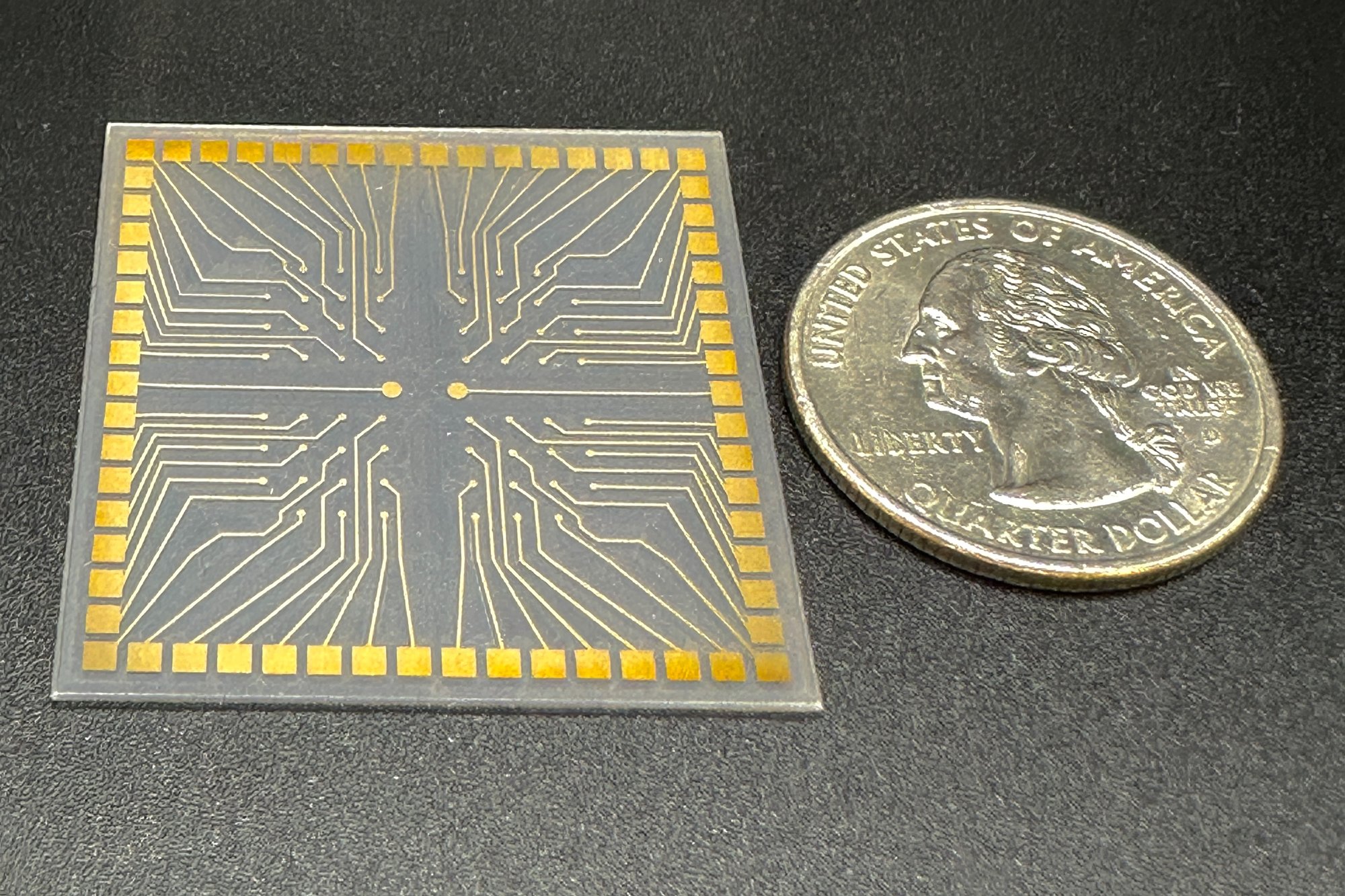
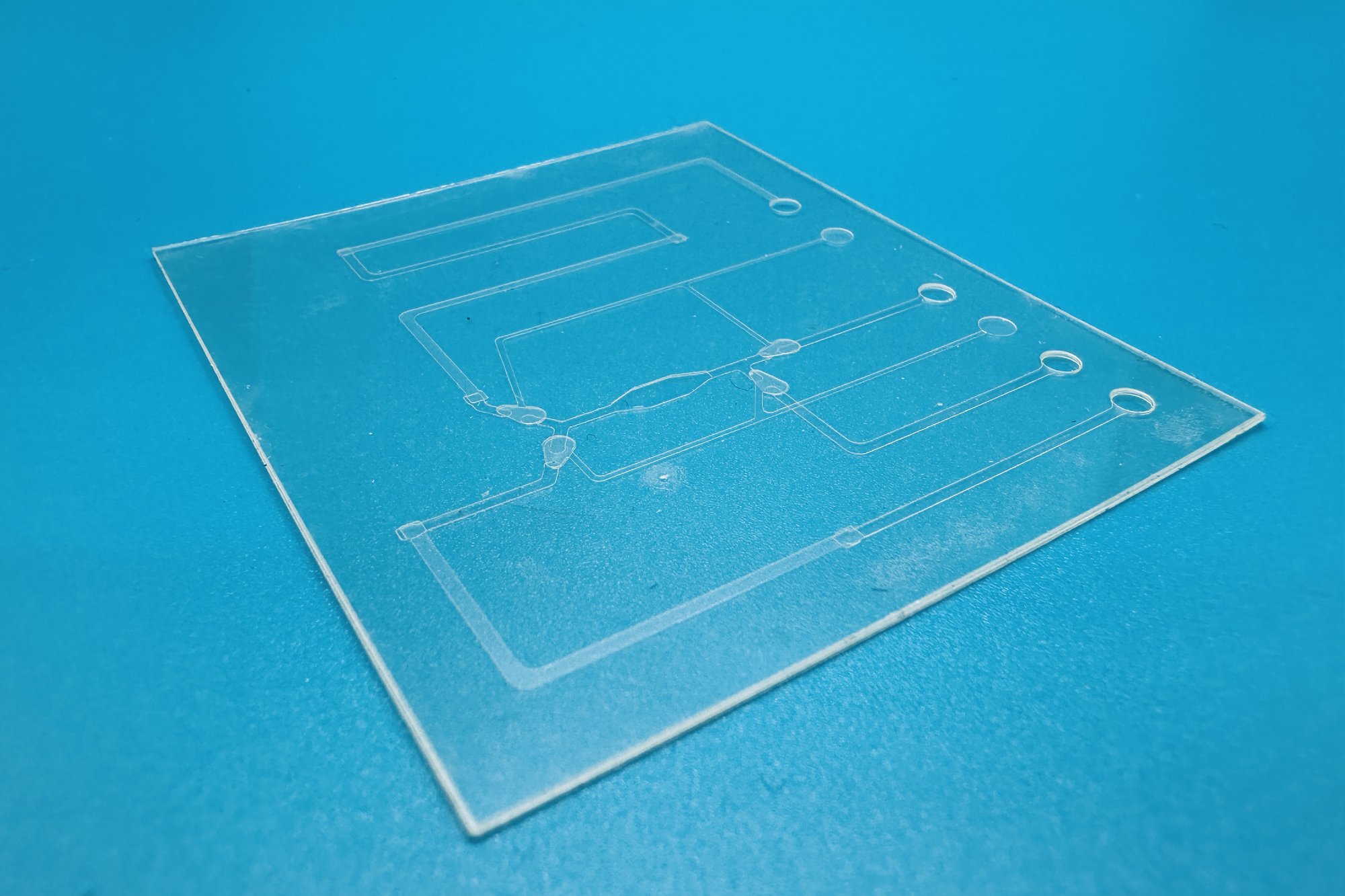
| Pulse regimes | Femtosecond · picosecond · nanosecond · microsecondFemtosecond for heat-sensitive substrates and thin foils; microsecond CO₂ for high-speed converting. |
| Scanners | 2- and 3-axis |
| Scanner aperture | 10 – 50 mm |
| Laser process area | 50 × 50 mm to 2,000 × 2,000 mm |
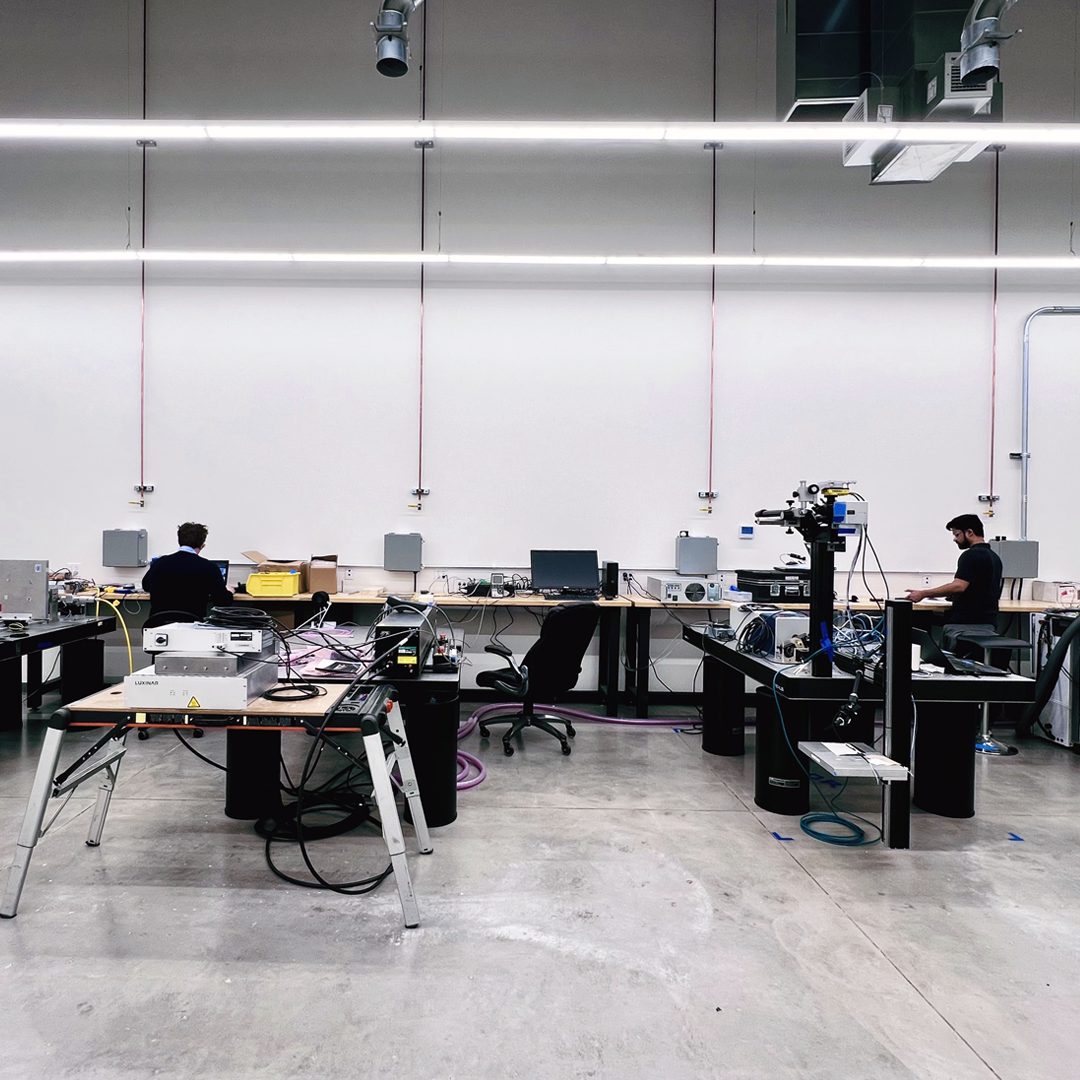
| Location | St. Paul, Minnesota — opened 2024 |
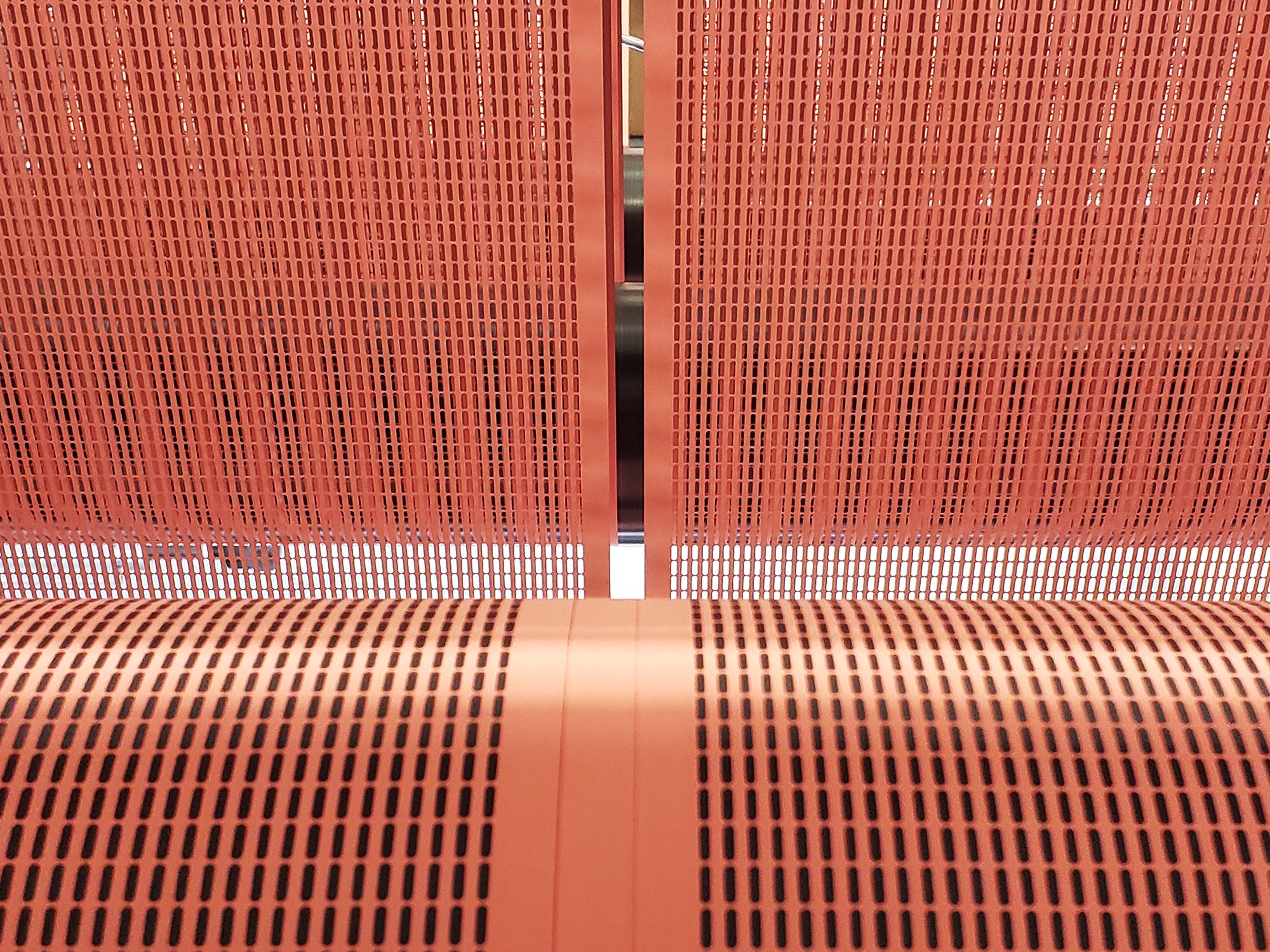
In production
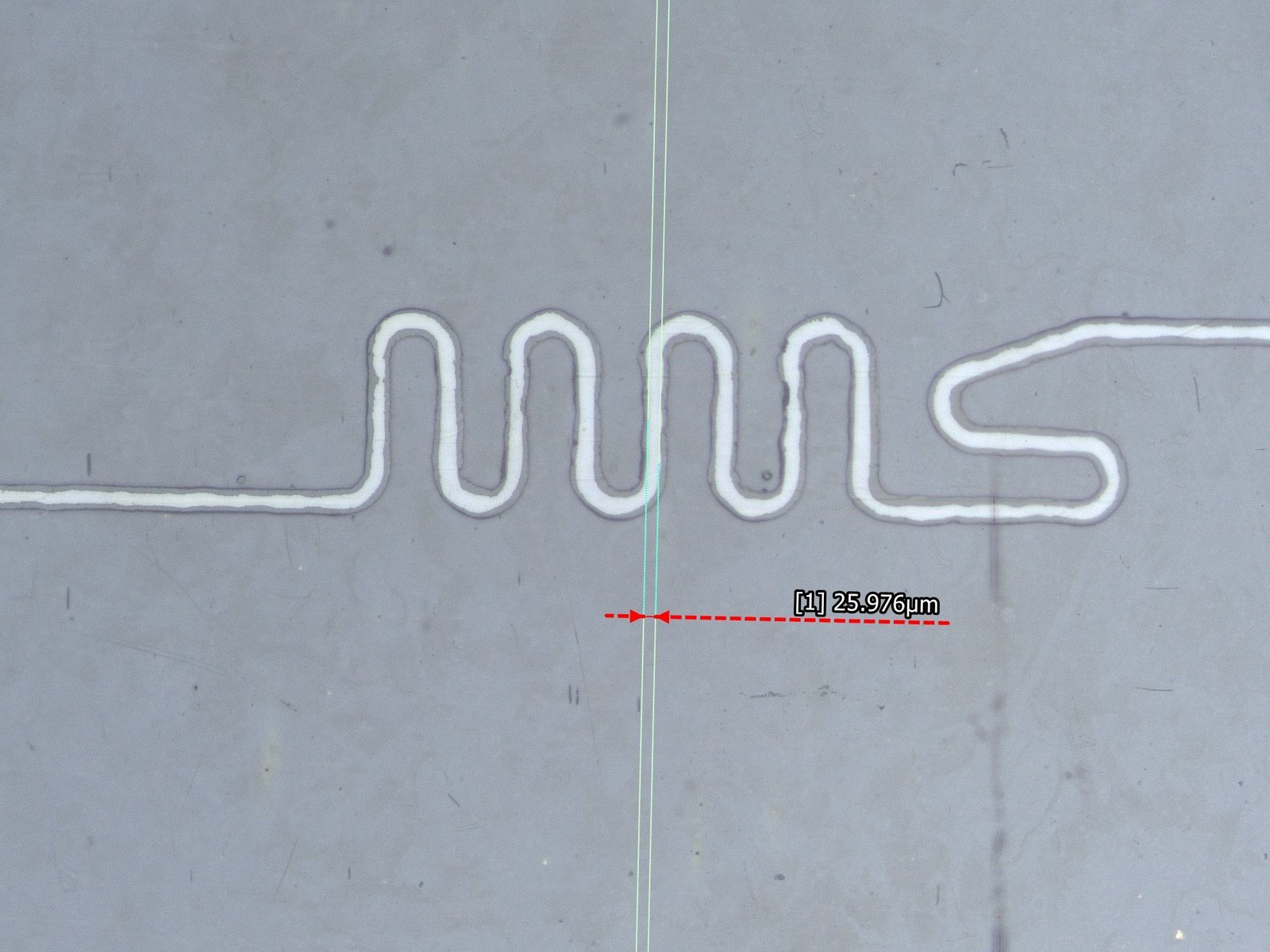
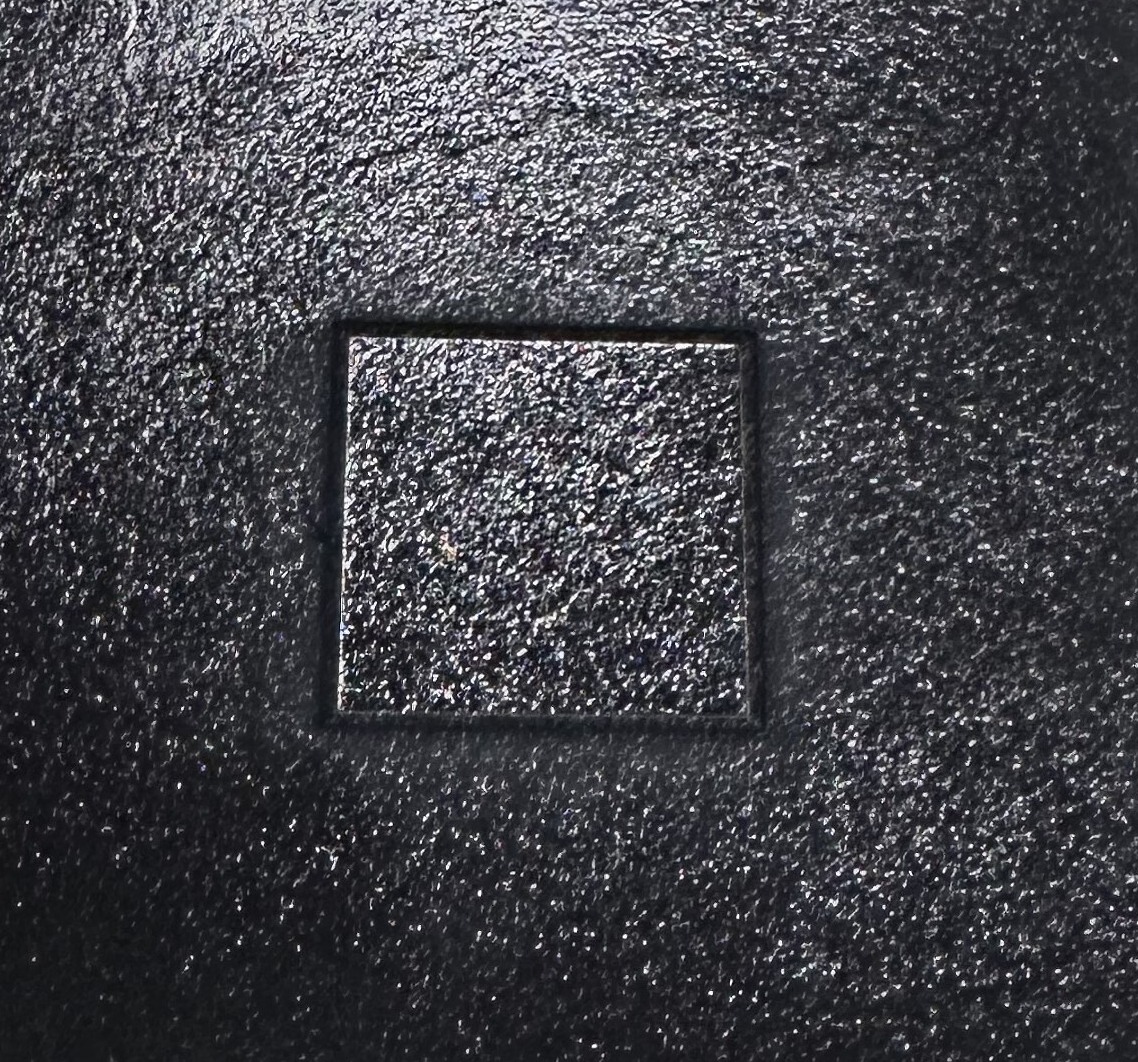
See it run
In development
From trial-and-error to a predicted process window
Every trial the lab runs produces a parameter set and a measured result. We are building a data-driven process model on that record so the next trial on a comparable material starts closer to the answer — and so the “trial data required” entries on our material pages become numbers sooner.
What goes in
Your material
Type, formulation, construction, thickness, surface.
The laser process
Wavelength, pulse regime, power, speed, scan strategy.
What we have measured before
Process settings and the results they produced on comparable materials.
Data-driven process model
Every project adds to the record and sharpens the next prediction.
What you get
A better starting point
The trial begins near the process window instead of searching for it.
Fewer iterations
Fewer test pieces, less of your material, a shorter path to a report.
Consistent feature quality
Recommendations backed by measurement — edges, marks, kerf, heat-affected zone.
A number where a datasheet has a blank
The gaps on our material pages narrow as the model learns.
Still in development. Predictions depend on the data available for a material family and are most reliable inside ranges we have already measured. A processed sample from the lab is always the final word before production.
Your material stays confidential. What you send us and what we measure on it are protected under NDA. The model learns from LasX’s process know-how and aggregated outcomes across material classes — never from an identifiable customer construction. Submit a material
Before you send anything
What does a trial cost?
A static-sample feasibility run — your material processed on the bench to establish whether the feature can be made and at what wavelength and regime — is done at no charge. Running-web trials, design of experiments, process optimization, and validation support are quoted as a development engagement.
How much material should we send?
For sheet or small-format work, enough parts to run a representative set — typically 10 or more. For web material on a FocusPro™-class trial, 300 m (1,000 ft) so we can run at production speed rather than extrapolating from a crawl.
Who pays to ship the samples?
You ship the material to us; we return the processed samples at our cost.
What if the laser turns out to be wrong for our application?
Then we tell you that, and you have saved a great deal of money. A report that says the process window is too narrow to run reliably is a useful result, and we would rather deliver it in the lab than after installation.
Do we have to buy a machine afterward?
No. Some customers take the report and run the work through our contract manufacturing floor instead — which is often the right answer when volumes do not yet justify a capital purchase. If you do buy one, the results in your report become its acceptance criteria. We test the machine against them at LasX before it ships, and again on your floor before you sign off.
Who owns the process data?
Your material, your construction, and the results we measure on it are confidential under NDA and are yours to use. The laser process know-how that produced them — wavelength, pulse regime, and parameter windows for a class of material — is LasX's, and it is what we bring to every trial. Where a development program calls for process intellectual property (IP) to transfer, that is written into the engagement up front.