

Laser engine · For OEMs and existing lines
LaserSharp® Module
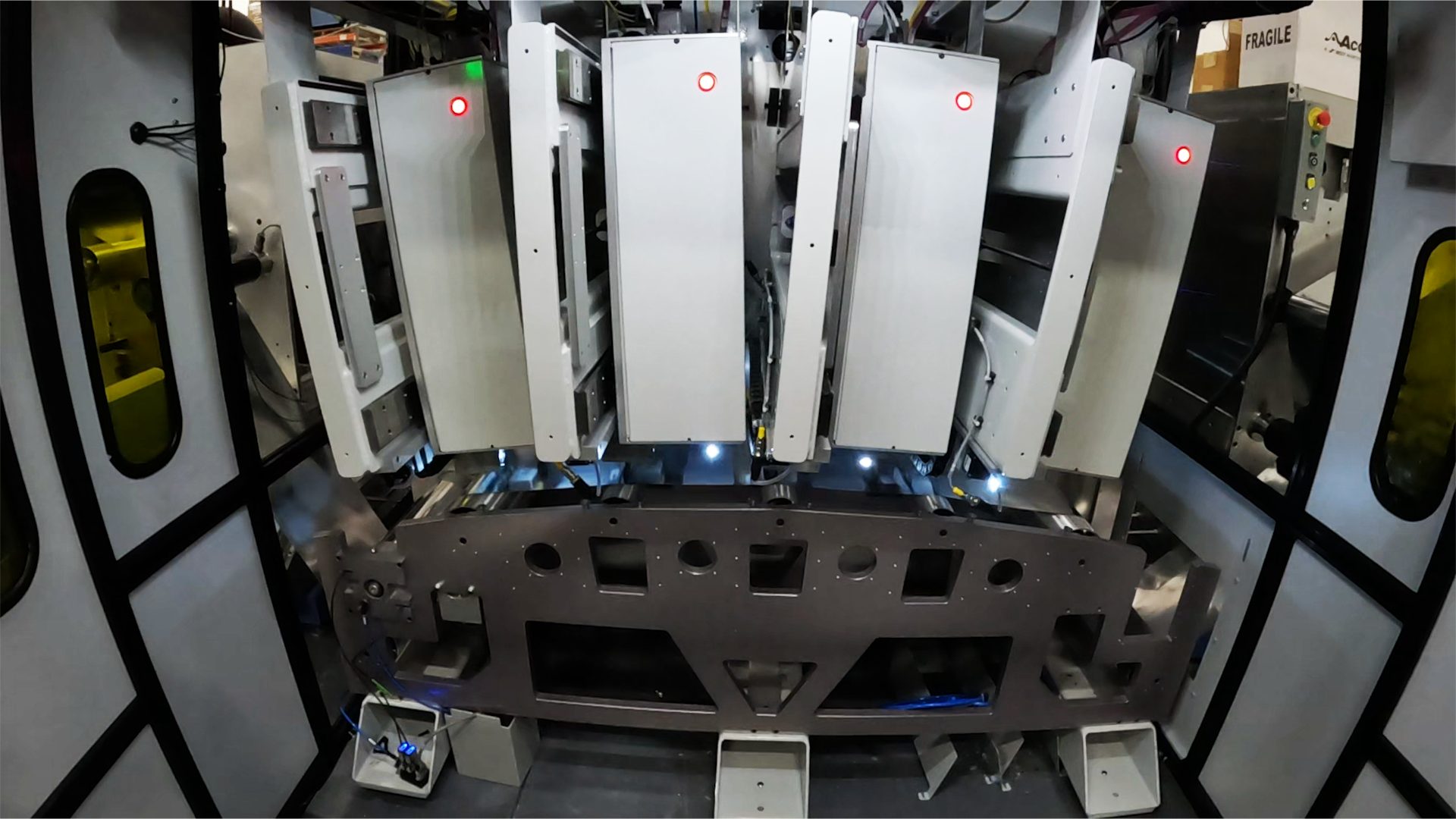
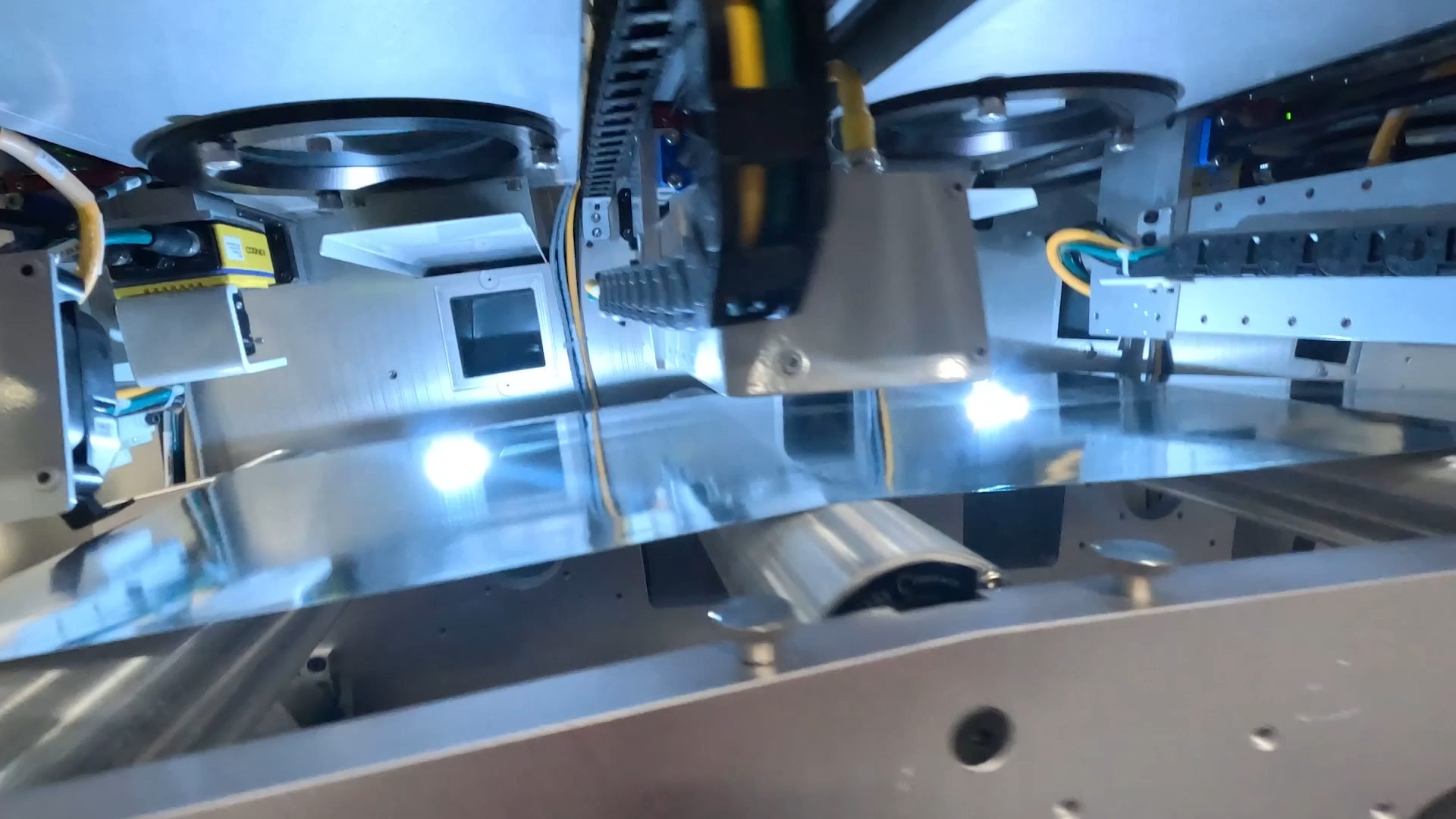
The LaserSharp® Module, our laser processing module, is the laser engine at the core of every LasX machine. The laser source is matched to the material and the process — CO₂, NIR, green, or UV, at the pulse duration the process needs — while the core controls and software architecture stay the same across the family. Modules are also sold and integrated on their own, so converters can add laser capability to an existing press, laminator, or slitter-rewinder rather than replacing the line.
Specifications
| CO₂ wavelengths | 9.4 µm, 10.2 µm, 10.6 µmWavelength selected to match material absorption. CO₂ runs continuous-wave or microsecond-pulsed. |
|---|---|
| CO₂ power | Up to 2.5 kW |
| Solid-state wavelengths | 1064 nm (NIR), 532 nm (green), 355 nm (UV) |
| Pulse regimes (solid-state) | Nanosecond, picosecond, femtosecondPulse duration and wavelength are chosen independently for the material and process. |
| Ultra-short pulse power | Up to 300 W |
| Control | Proton λ process controller with LightGuide® interfaceOne Proton λ per module, shipped inside it; not sold separately. |
| Formerly | LaserSharp LPM |
| Design life | 15+ years |
Configure-to-order
- Module selection by material and process
- Number of modules and power by material size and speed
- Automation and inspection options
- OEM integration package
- µVerify™ — in-line inspection that measures feature size and position and feeds closed-loop control of the laser parameters, plus Pulse beam confirmation. Which features are measured depends on the application.
Most converters do not want to replace a line. They want the line they have to do something it currently cannot.
That is what the LaserSharp® Module is for.
In production

See it run
Questions buyers ask
Can a LaserSharp® Module be integrated into a line LasX did not build?
Yes — this is a core part of the business. LasX supplies them to OEMs, including mechanical and electrical integration envelopes and control handshake documentation.
How does the module talk to our line?
Through LightGuide®, which runs every LaserSharp® Module. Its OPC UA server lets your PLC or SCADA system load recipes, start and stop the module, and read its state, alarms, and counts; a JSON web API serves an MES or ERP. Positions from the job — where a slitter should cut, where a robot should pick — can be exported to the equipment after the laser.
Which wavelength is right for our material?
It depends on the material's absorption. CO₂ at 9.4 µm behaves very differently from 10.6 µm on some polymers and adhesives — a difference that shows up as edge quality and achievable speed. The PhotonX lab tests this rather than guessing.