
Capability
Laser Perforating
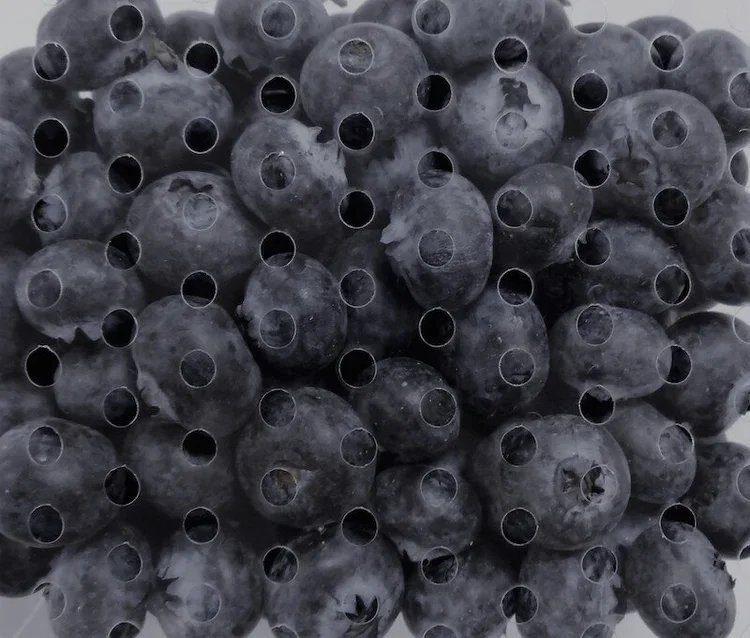
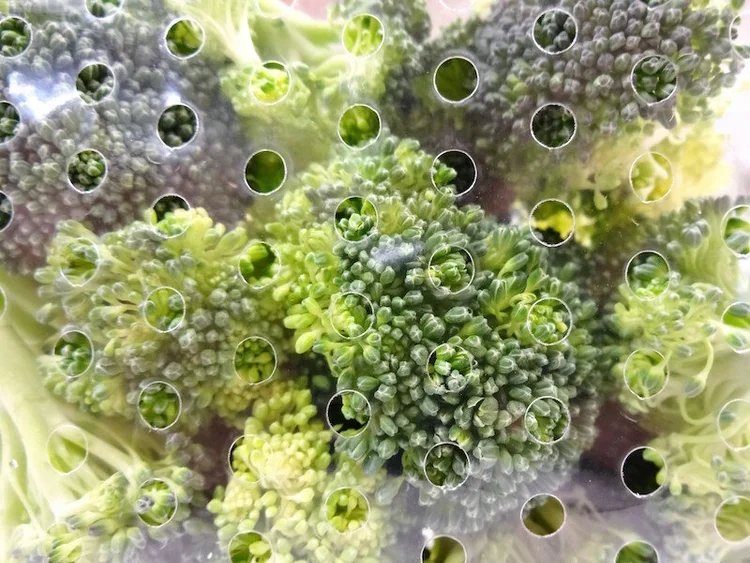
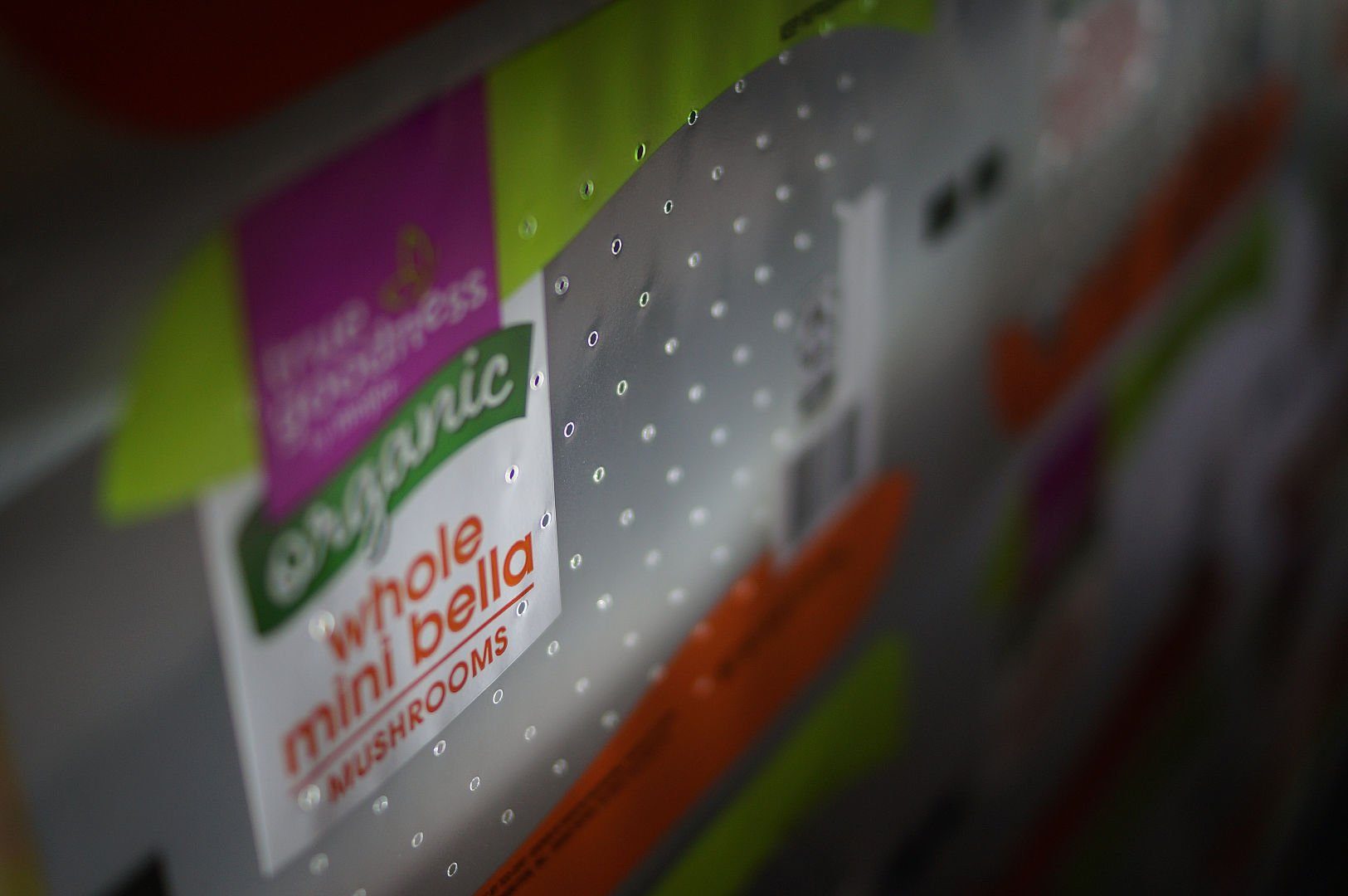
Laser perforation produces hole size, spacing, and pattern as a digital recipe. Unlike pin perforation, hole geometry does not drift with tooling wear, and the pattern changes without a tooling change.
How it works
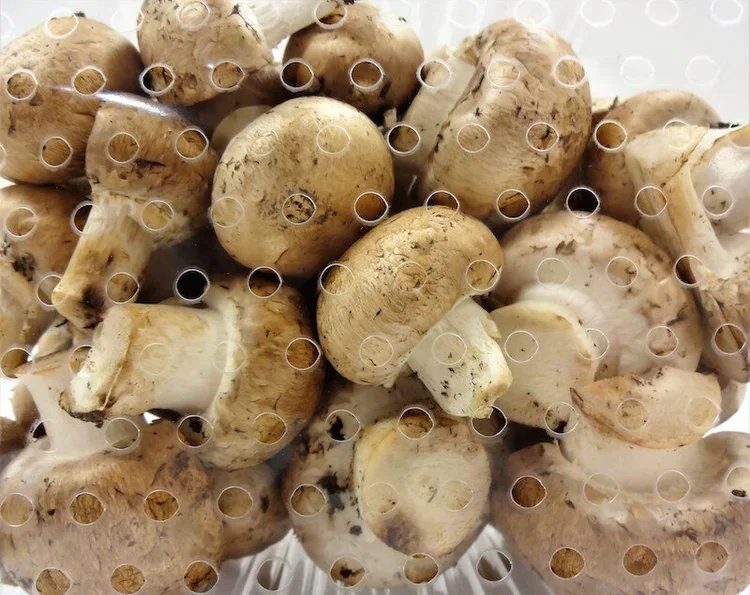
Individually addressed pulses form holes through some or all layers of a structure. Focus and pulse energy set the hole diameter. Software sets the pattern and the density, so a pattern change is a file change — within the qualified source, optics, and processing envelope.
Process envelope
| Pattern control | Fully digital — no tooling |
|---|---|
| Depth control | Through-hole or selective layer |
| Inline speed | Up to 500 m/minSelect applications. Achievable density and speed are coupled — trial data required. |
Breathability is a specification with a number attached — an oxygen or moisture transmission rate the package has to hit. Getting there is a matter of hole size and hole count, which is exactly what a laser controls well and a pin controls approximately.
How does laser perforation compare with pin perforation?
Pin (needle) perforation punches holes with a roller of hardened pins; hot-needle variants melt them. Laser perforation forms each hole with a pulse. They differ where breathable and controlled-atmosphere packaging is most sensitive:
- Hole geometry. A pin makes a hole the size and shape of the pin, and the edge of that hole carries the torn or melted material with it. Pins wear, and the holes change as they do. A laser hole is set by focus and pulse energy, and the thousandth hole matches the first. For a package specified by oxygen or moisture transmission rate, that consistency is the specification.
- Pattern. A pin roller produces one pattern. Another pattern is another roller. On a laser machine the pattern is a digital recipe: hole count, spacing, and which zones get perforated. Every SKU runs on the same hardware. A pattern can also be confined to one panel of the package, in register to print.
- Selective depth. A pin goes through whatever is under it. A laser can perforate one layer of a laminate and leave the layer beneath intact. That is how a structure gets breathability on one side and a barrier on the other.
- Fine holes. Below the diameter a pin can be made and kept sharp, the laser is the only option. LasX equipment has demonstrated 25 µm features with NIR, green, or UV sources. With CO₂ on flexible packaging, 50 µm is the minimum demonstrated in production.
Where pin perforation still wins: very coarse holes at very high hole counts on a single unchanging pattern, where a roller runs for years. Again, the trial tells you which side of that line your package is on.
How is breathability specified and hit?
The package specification is a transmission rate — oxygen transmission rate (OTR) or water vapor transmission rate (WVTR) — not a hole count. The lab converts one into the other on your structure. We vary hole diameter and density, measure transmission, and report a recipe that hits the rate with a documented margin. Hole density and line speed are coupled, so we report the achievable speed for your pattern from the trial rather than quote it from a datasheet.
In production