
Capability
Laser Scoring
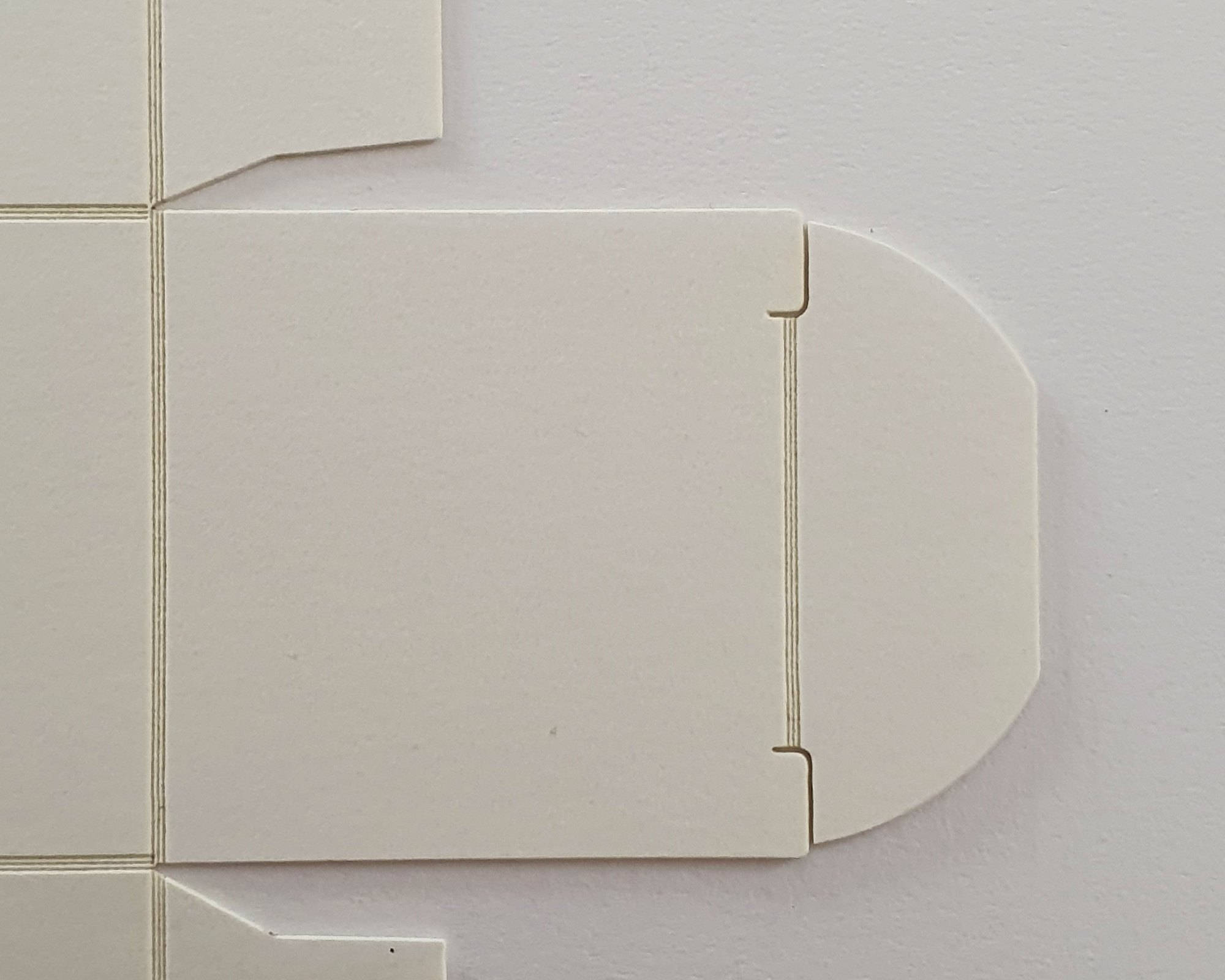
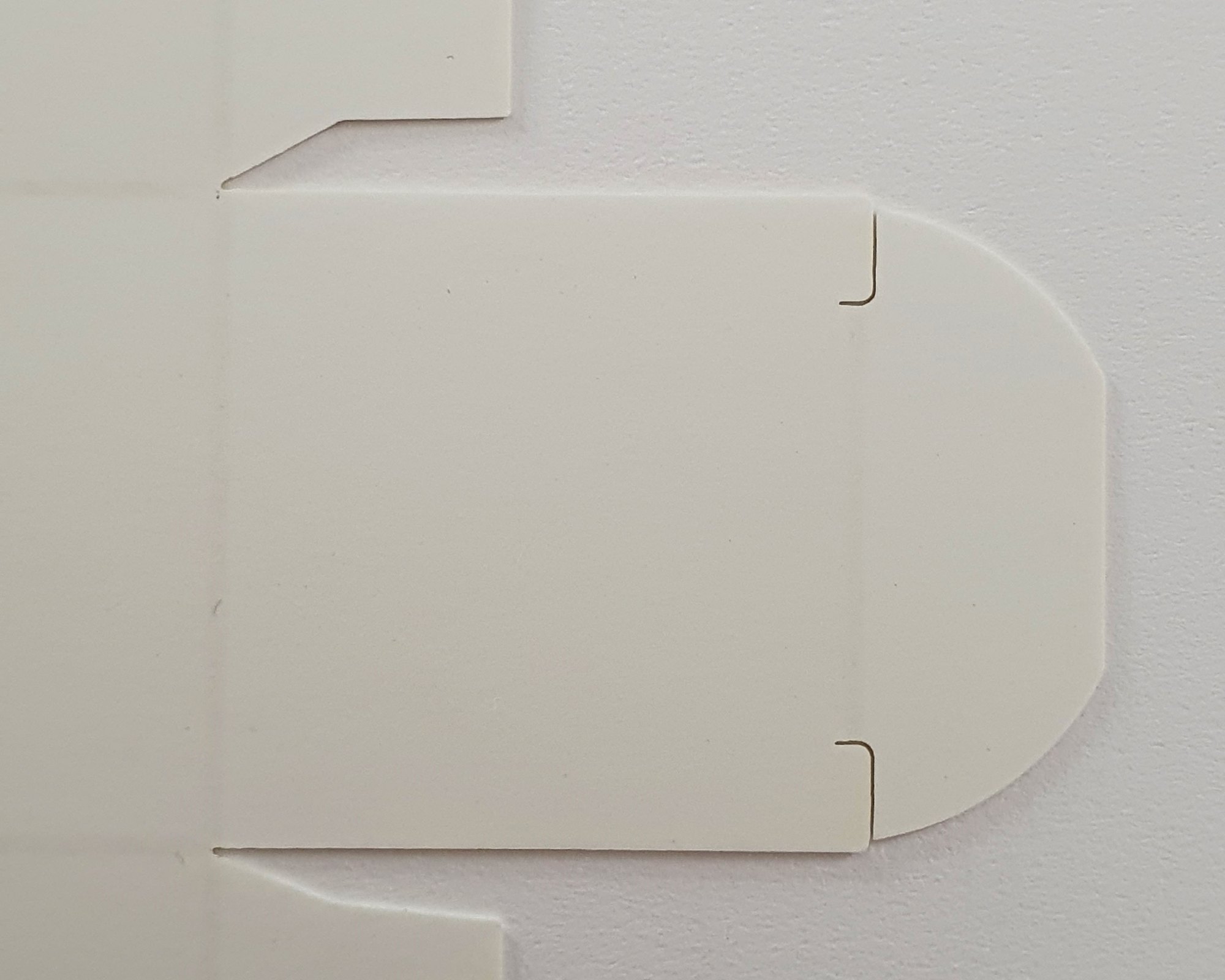
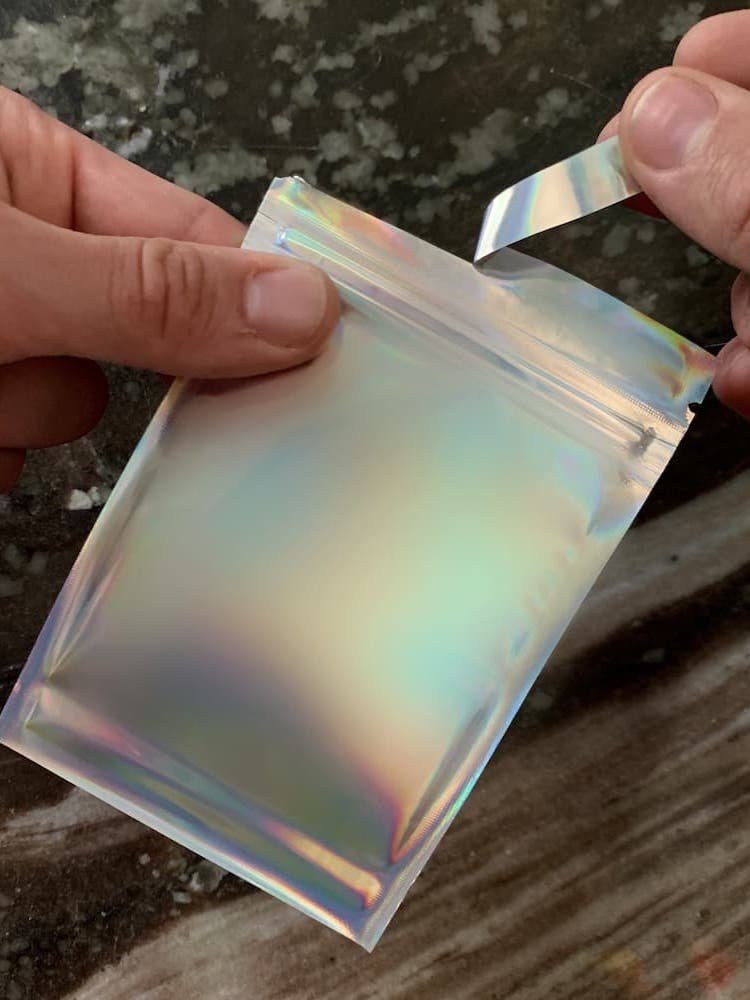
Laser scoring removes material to a controlled depth without cutting through — the basis of easy-open packaging, tear initiation, and controlled-fold features.
How it works
The controller sets beam power and dwell so that ablation stops inside the structure instead of passing through it. On a multi-layer laminate, that means scoring one layer and leaving the sealant or barrier layer intact. It is the difference between a working easy-open feature and a leaking package.
Process envelope
| Registration | Repeat or print-registered |
|---|---|
| Depth control | Layer-selective within multi-layer structures |
| Inline speed | Up to 500 m/minSelect applications. Speed is set by the structure and the score depth — trial data required. |
A score that is too shallow will not open. A score that is too deep can breach the seal or barrier layer. The window between those two depths belongs to your structure, not to the machine. That makes it a lab question before it is a machine question.
The PrimeTear™ easy-open feature is produced this way at FlexPak, the LasX sister company, on LasX equipment.
How does laser scoring compare with mechanical scoring?
Mechanical scoring presses a shape into the web with a rotary die, a scoring wheel, or a blade against an anvil. Laser scoring removes material to a set depth with a beam. Four differences follow from that.
- Depth control. A die scores to the depth its geometry and pressure produce. That depth drifts as the tool wears and as web caliper varies. A laser scores to the depth its energy per unit length produces, and the controller holds that energy pulse by pulse. That is what lets you score the outer layer of a laminate and leave the sealant intact.
- Registration. A die repeats at a fixed pitch. The controller places a laser score against a print mark or an encoder count. The feature lands where the artwork says it lands, including on variable and short-run jobs where a die never pays for itself.
- Changeover. A new easy-open geometry means a new die — lead time, cost, and somewhere to store it. On a laser machine it is a new recipe in LightGuide®. The line runs the next SKU after a job change.
- Tooling and consumables. There is no die to sharpen, replace, or store. A laser machine also costs more up front than a scoring station. That is why the payback model asks for your SKU count and changeover frequency instead of assuming them.
Where mechanical scoring still wins: one high-volume SKU on a forgiving mono-material structure, where the die never changes and the depth tolerance is wide. If that describes your job, we say so after the trial.
What decides whether an easy-open score works?
Three things, in this order.
- The structure. Which layer has to open, which has to stay sealed, and how thick each one is.
- The wavelength. The same PET or PE layer absorbs a 9.4 µm CO₂ source and a 10.6 µm source differently. Pick the wrong one and the surface chars before the score reaches full depth.
- The line speed. Energy per unit length falls as speed rises, so the window narrows as the line runs faster.
The PhotonX lab establishes the window on your actual film and reports it with the parameters. Films & Laminates lists what gets measured.
In production