
Capability
Laser Ablating
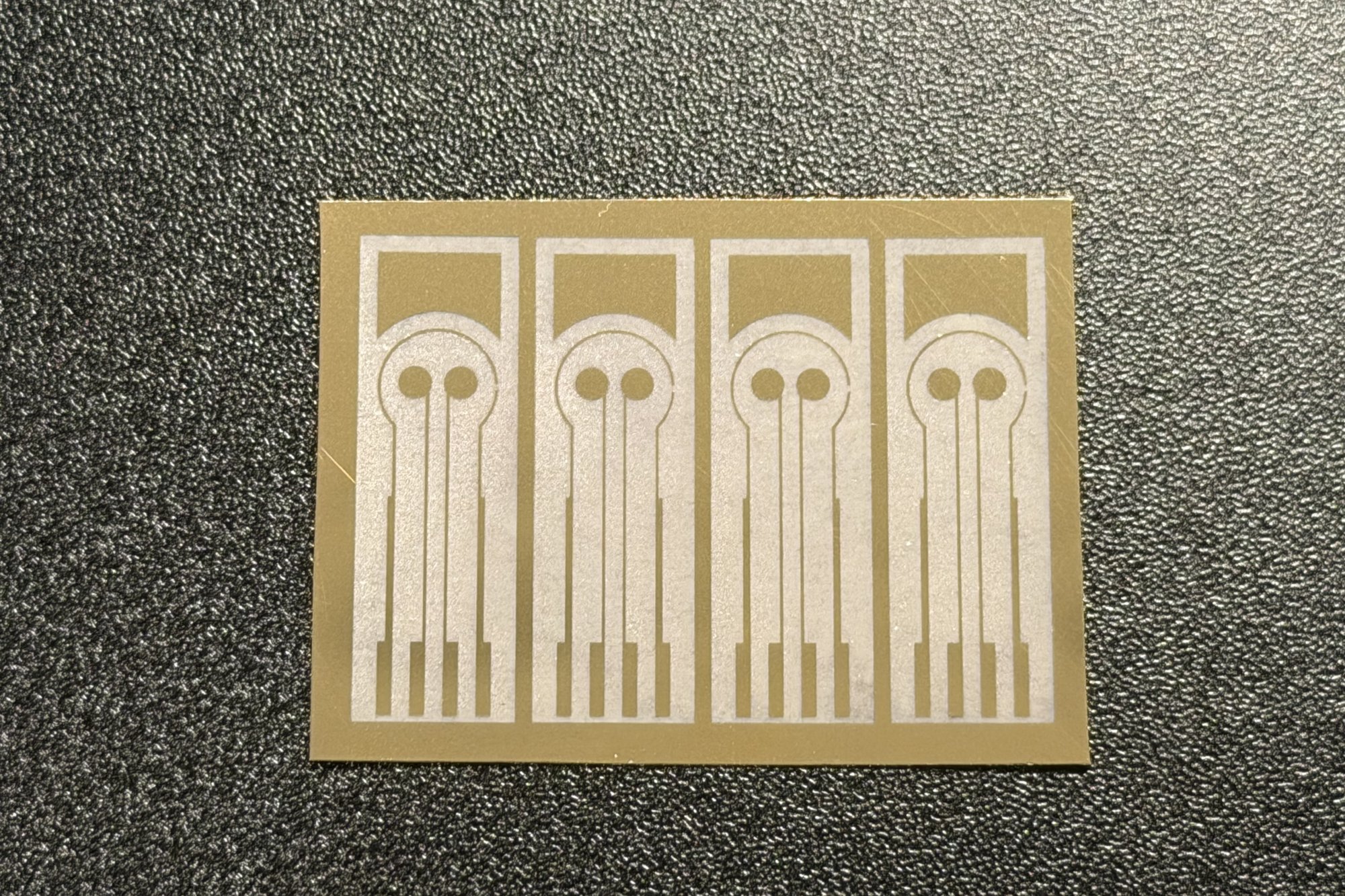
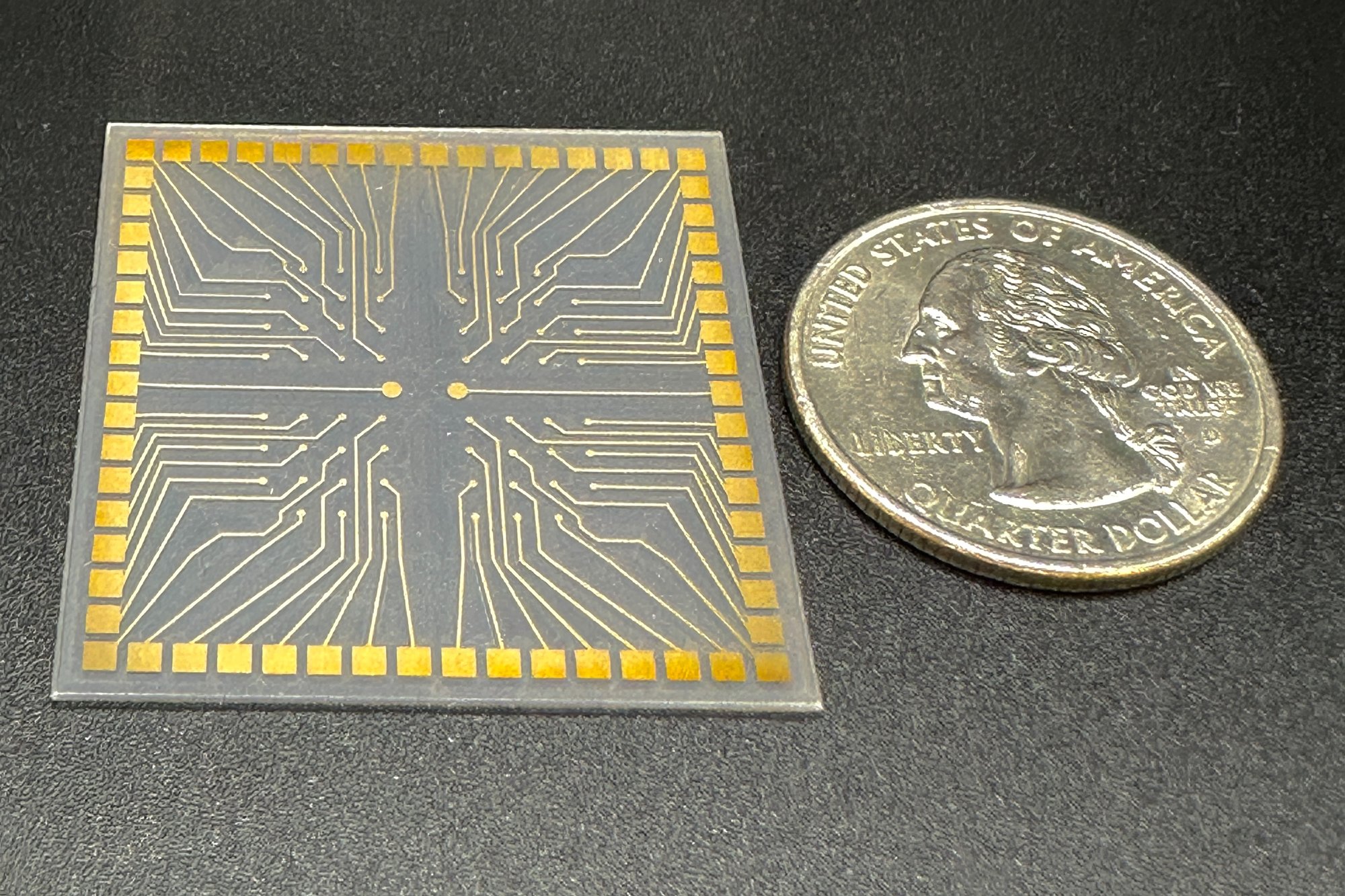
Laser ablation vaporizes a thin layer off a substrate without cutting through it — metallization off a film, electrode coating off a foil, paint off a part. Wavelength and pulse energy set the depth, so the layer underneath survives intact.
How it works
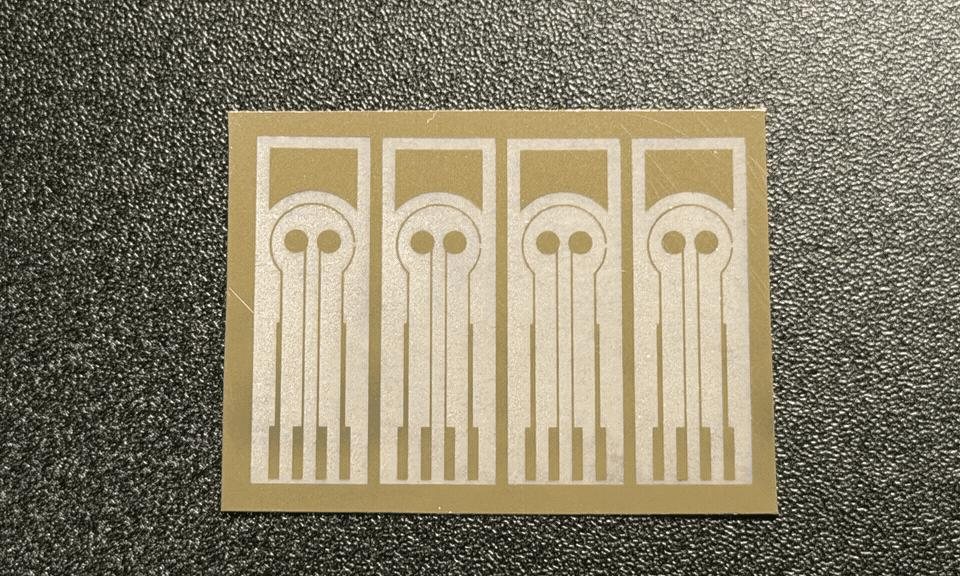
The pulsed beam runs at a wavelength the target layer absorbs and the substrate does not. Each pulse lifts a controlled depth of material. Software draws the pattern and registers it to print or to existing features. Multi-module machines ablate wide webs at line speed.
Why pulse duration sets the edge — the guide and heat-confinement map →
Process envelope
| Depth control | Selective by layerSet by wavelength selection and pulse energy; verified on your stack in the lab. |
|---|---|
| Pattern | Fully digital, registered |
| Format | Roll-to-roll, sheet, or part |
| Typical layers | Aluminum on paper or film, electrode coatings, paints and films, conductive inks |
The interesting question in ablation is never "can the laser remove it" — it is "what happens to the layer underneath." That comes down to a wavelength choice and a pulse-energy choice. We make both on your material, in the lab, before we quote a machine.
In production