

Cutting
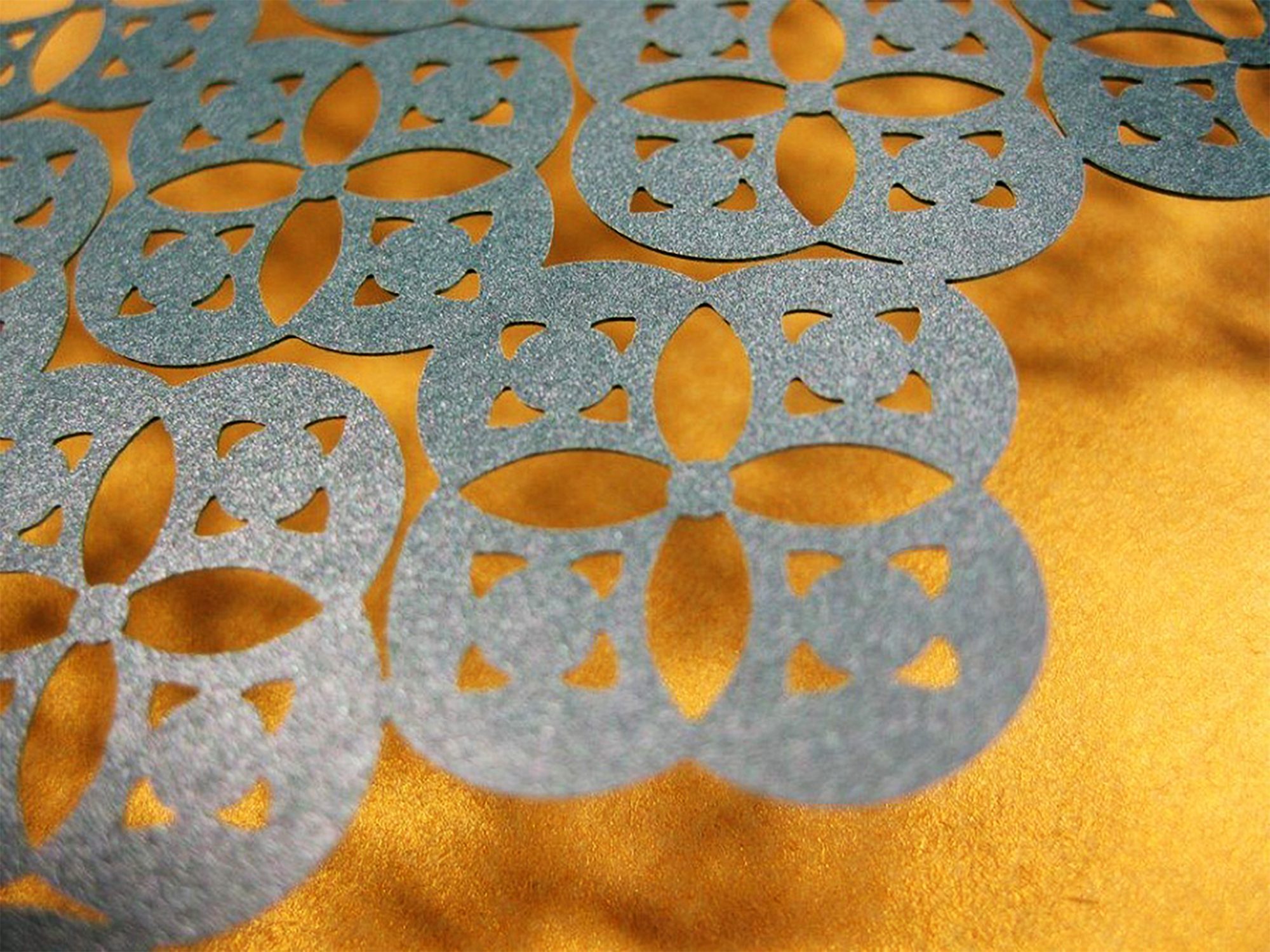
Filigree cutting in paper
Fine detail no die can hold. The die maker's price rises with every curve; the beam's does not.
Equipment
Industry
LasX builds laser finishing systems for commercial printers and graphic arts producers, and runs contract finishing — including the StencilSharp direct-order stencil line — for work that needs laser geometry without laser capital.
Applications
Fine detail no die can hold. The die maker's price rises with every curve; the beam's does not.
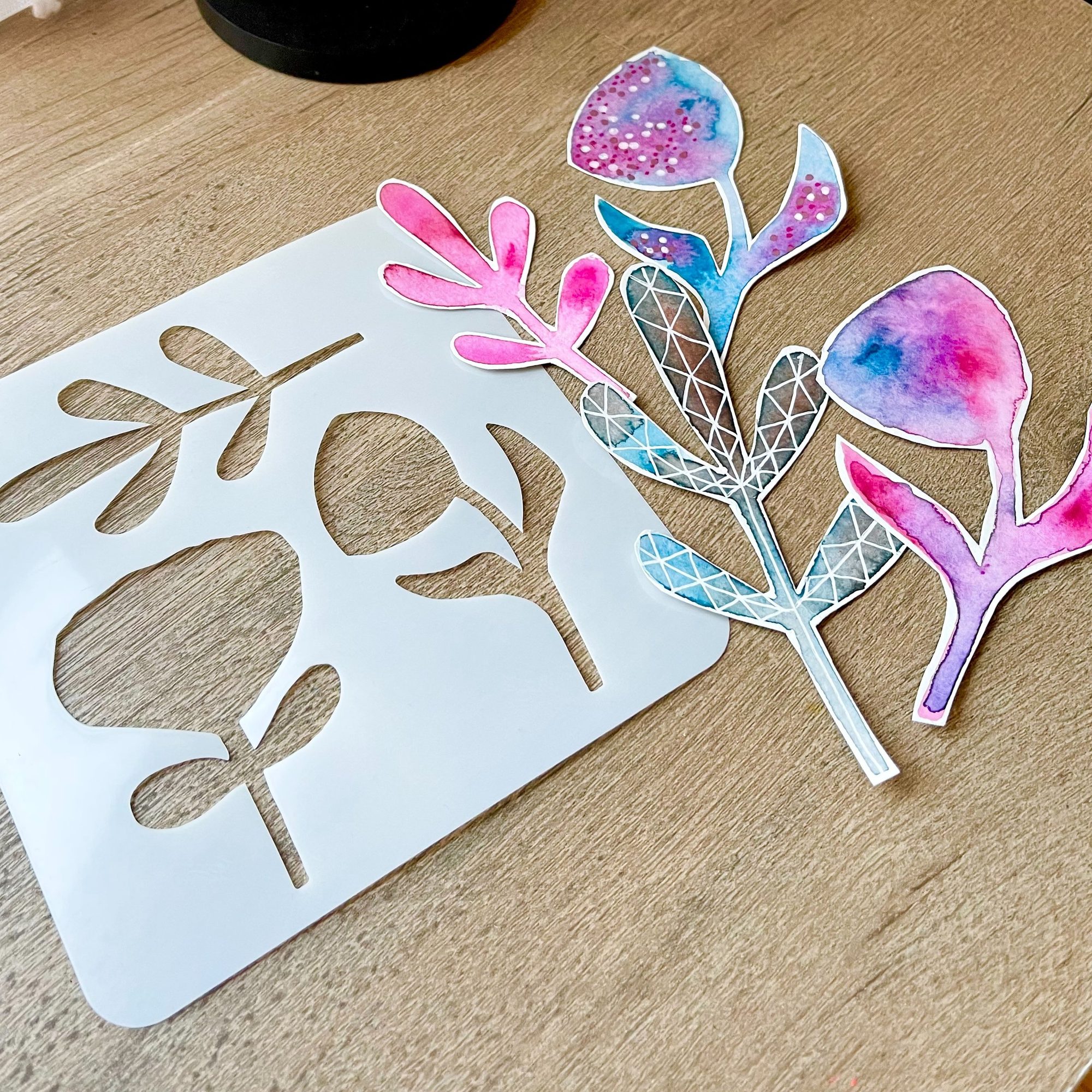
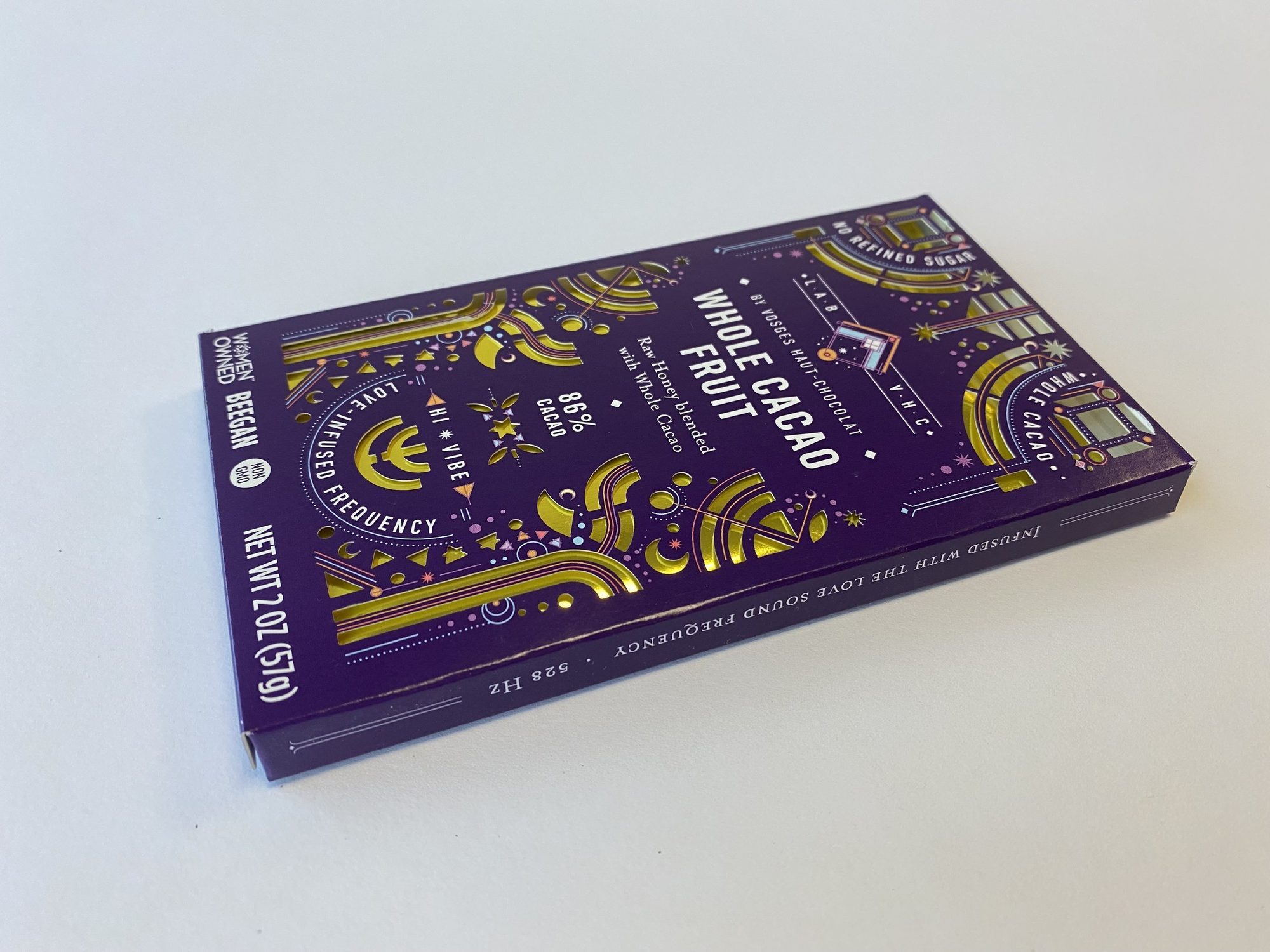
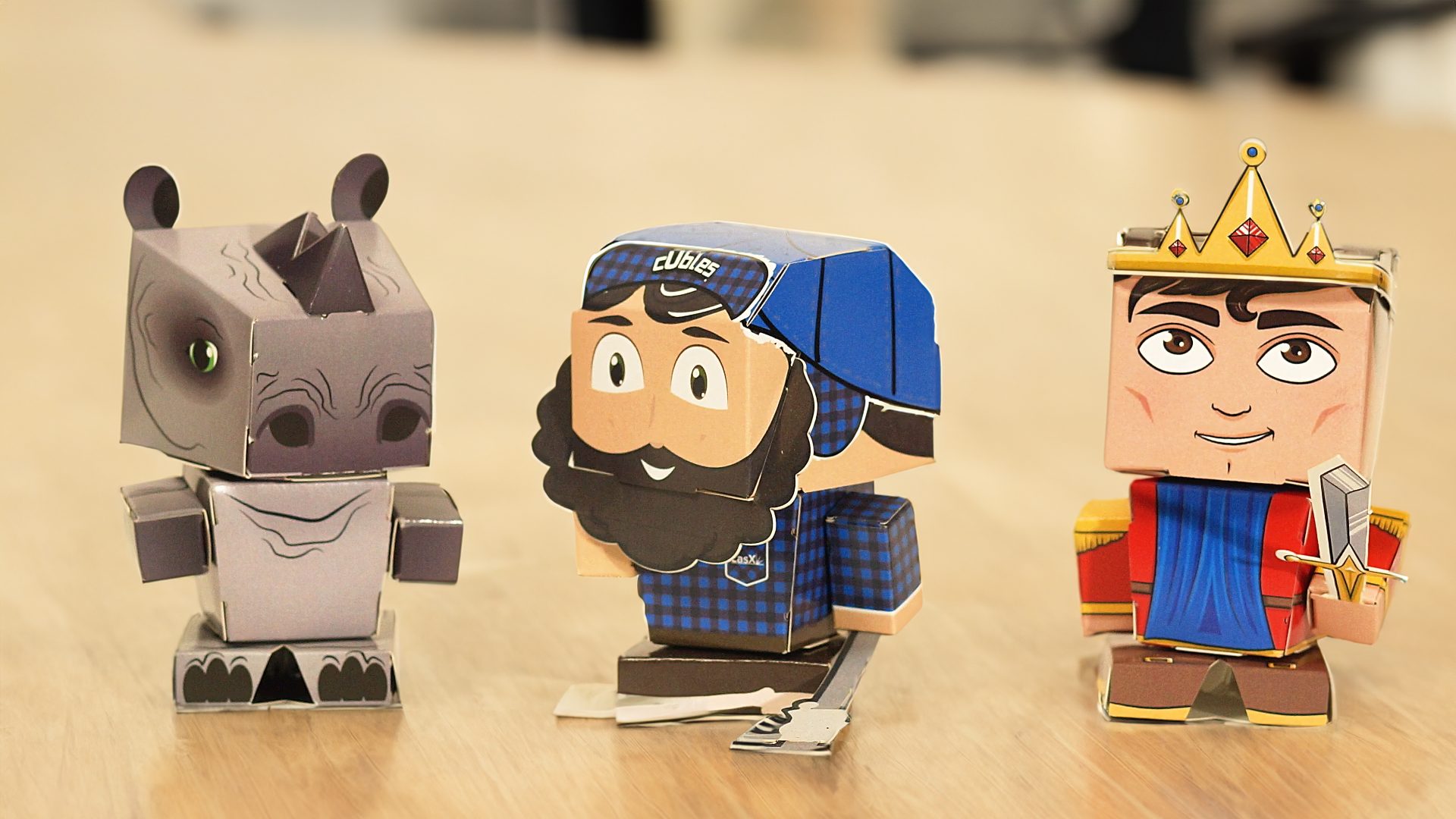
Printed sheets feed in, the laser cuts the shapes, and a delta robot picks and sorts the finished pieces.
A LaserSharp® Module on a narrow-web finishing line switches from one sticker design to the next on the running web — no die change, no line stop.
SmartFinish™, registered to print, takes sheet or roll work through intricate contour cutting, etching, and part separation. Complex geometry does not need a new die. Cutting time and part handling still shape unit cost.
Contract laser finishing for printers — the premium job your customer wants and your die maker declined.
In graphic arts the laser's pitch is simple: complexity stops costing extra. The die maker's price rises with every curve; the beam's does not.
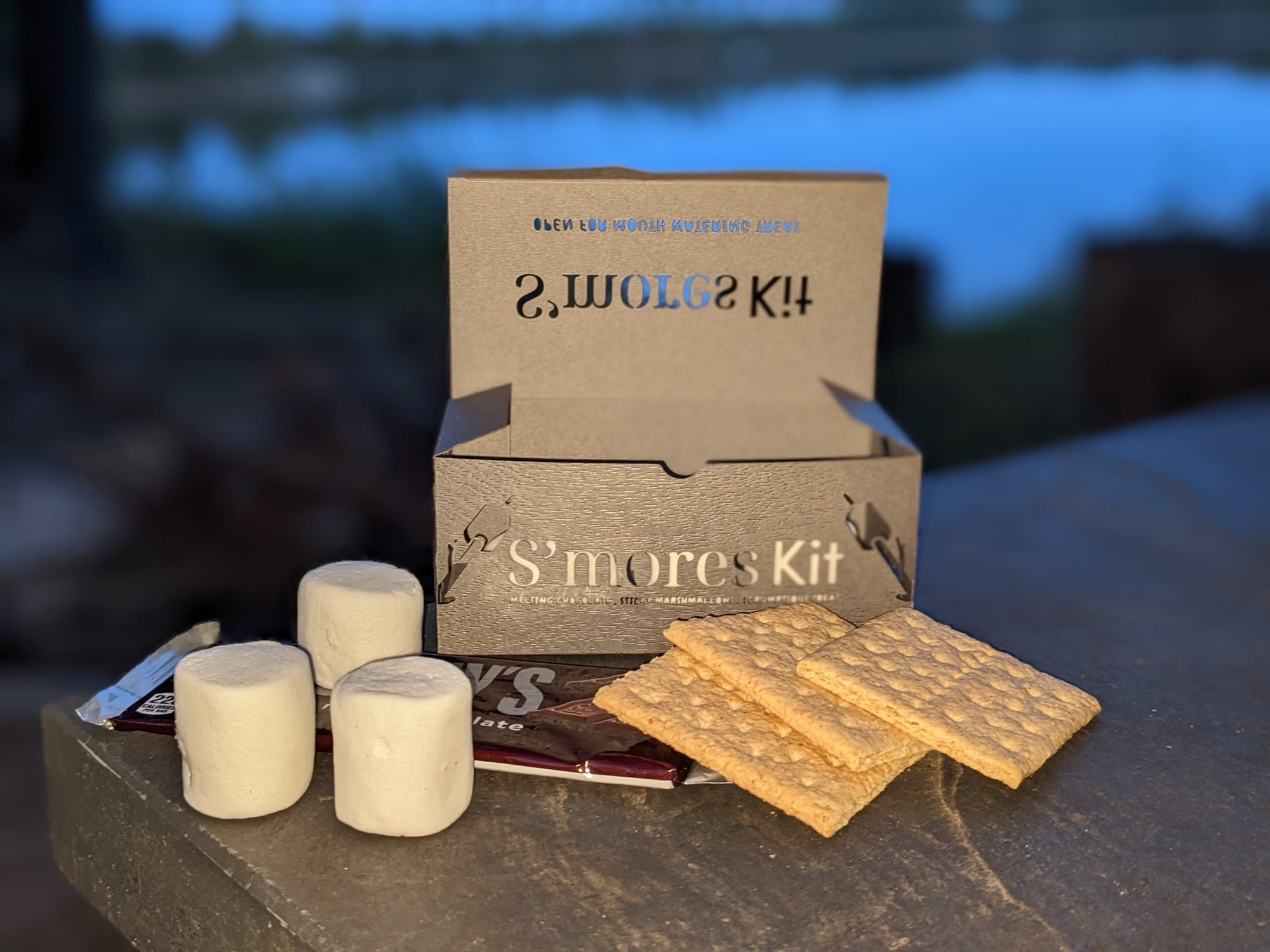
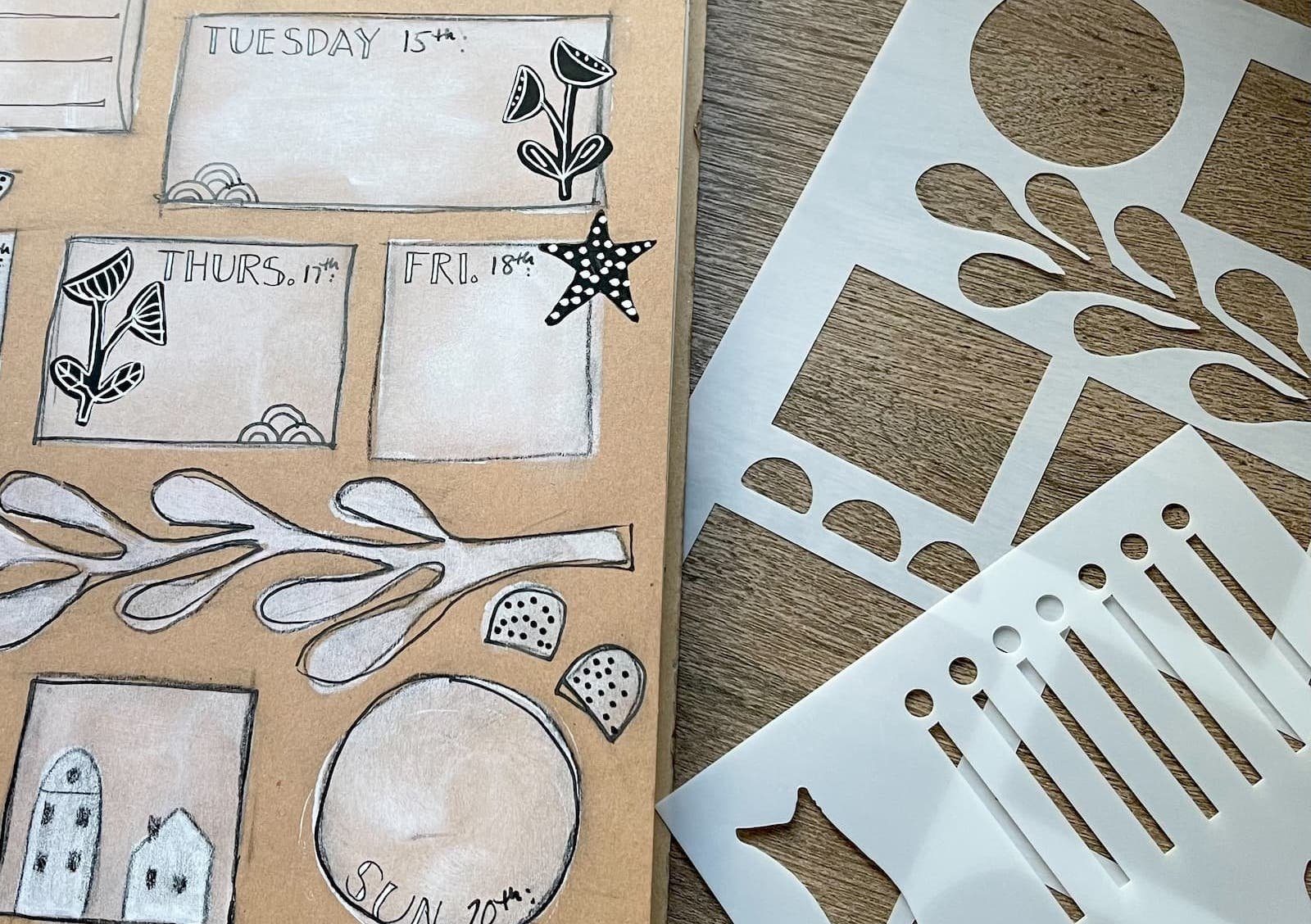
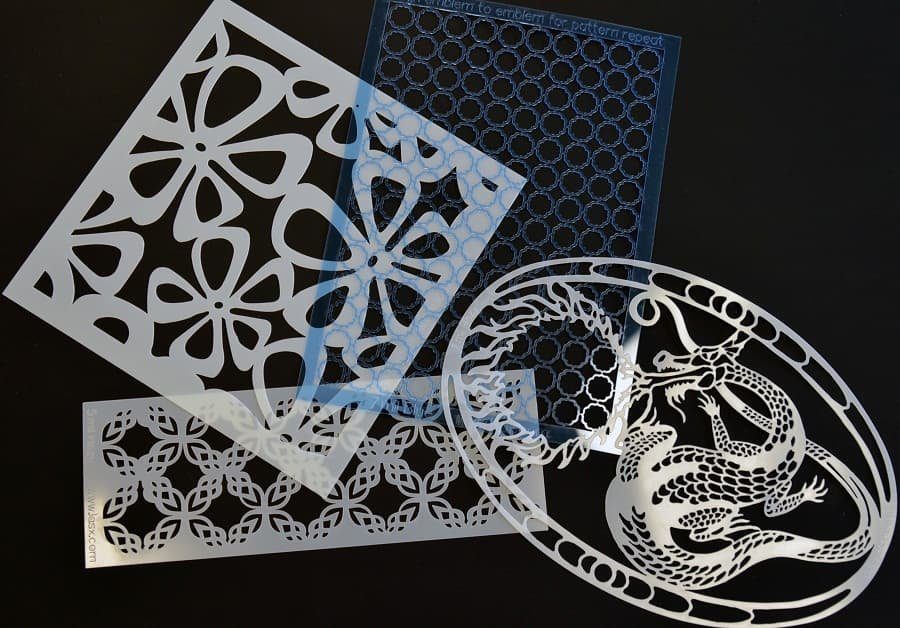
The practical limit is material behavior, not beam geometry — a 200 µm bridge in wet-strength stock behaves differently than in coated board. Send the design and the stock; the trial answers it.
Wall geometry. The aperture's wall angle and smoothness follow beam quality and parameters. It is measurable, and we measure it.
A CO₂ cut can leave a light tan edge on white paper and board. We control it with parameters set for your stock, by cutting from the reverse side so any tone sits on the back, or with a removable protective film that takes the smoke residue.
Finish first — print, foil, emboss — then send the finished sheets for cutting. The laser doesn't lift the foil, and cut pieces are often too delicate to stamp afterward.
Trials in the PhotonX lab come back as processed samples and a written report — not a proposal.