Skip to content
LasX — The Laser Experts
Contact us

Industry

Security & ID

LasX develops laser processing for identity and security products — polycarbonate card windows, RFID inlays and antennas, badges and credentials, and perforated security documents — where the feature must land in register with printed and embedded security elements, and where a worn die changes the part. The same LaserSharp® modules mark serialized or covert security marks with fully variable, unit-level content from the line's control system; digital watermarks and other covert features are qualified on your substrate in PhotonX.

Applications

What LasX equipment does in Security & ID

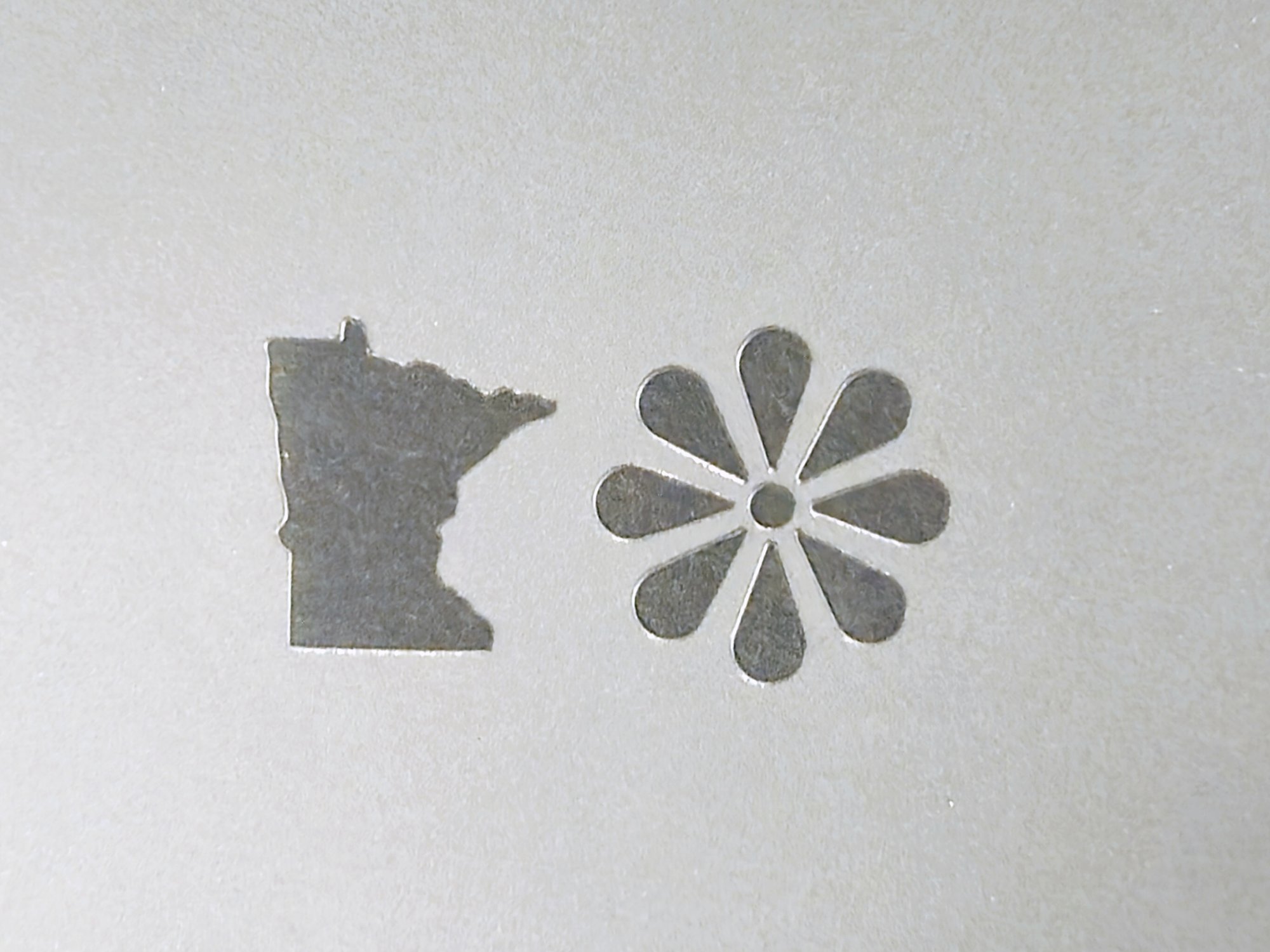
A Minnesota outline and an eight-petal flower, laser-cut as windows in white polycarbonate film
Cutting

Polycarbonate window cut-outs

Window and aperture cut-outs in polycarbonate card laminate, cut in register with the printed and embedded layers. Format changes are a file load. In roll-to-roll trials on a LasX sample line, windows have been cut — including slug removal — in 30 µm polycarbonate film at 30 m/min (100 ft/min). Runs roll- or sheet-fed on SmartFinish.

See it on your materialSend a sample →
Cutting

RFID inlays and antennas

Inlay and antenna material processed without contact, so the die that would wear against a metallised layer is out of the picture. Laser source and power are selected on your construction in the lab.

See it on your materialSend a sample →
Cutting

Badges and credentials, cut to shape

Cards and badges singulated from the sheet or web with the corner radii and internal features cut in the same pass, then sorted, stacked and packed by the handling package you configure.

Why laser, in this market

01

Registration is the whole job

A security feature that sits a fraction of a millimetre off its printed element is a reject. Print and feature registration are standard on SmartFinish, and the vacuum process conveyor holds the material flat through the cut so the geometry lands where the artwork says it should.

02

A digital process does not drift

Tooling wears, and wear shows up as a slow change in the part. There is no blade in a laser process, so consistency across a run becomes a parameter question rather than a maintenance one — which matters when every card in a batch has to be identical.

Buy the equipment

Buy the equipment

SmartFinish™ runs card and document material from roll or sheet on a patented vacuum process conveyor, holding it flat and in register through cutting, kiss-cutting and scoring, with print and feature registration standard and robotic sorting, stacking and packing. One or two LaserSharp® LPMs carry the laser source specified for your construction. Changeover between card formats is a file load, not a tooling change.

  • Window and aperture geometry cut in register with printed and embedded security features
  • No die to wear, so the last card of a run matches the first
  • Format changes as a file load rather than a tooling change
Have us make the parts

Have us make the parts

Contract laser processing of card and document material — window cut-outs, inlay processing, perforating and singulation — from development quantities through pilot runs, on the same equipment we sell.

  • Prove a construction before committing to a machine
  • Run a format that does not justify its own tooling

Identity products fail inspection on registration and consistency long before they fail on cut quality. A digital process removes the two things that drift — the die and the setup — and turns a format change into a file.

More from production

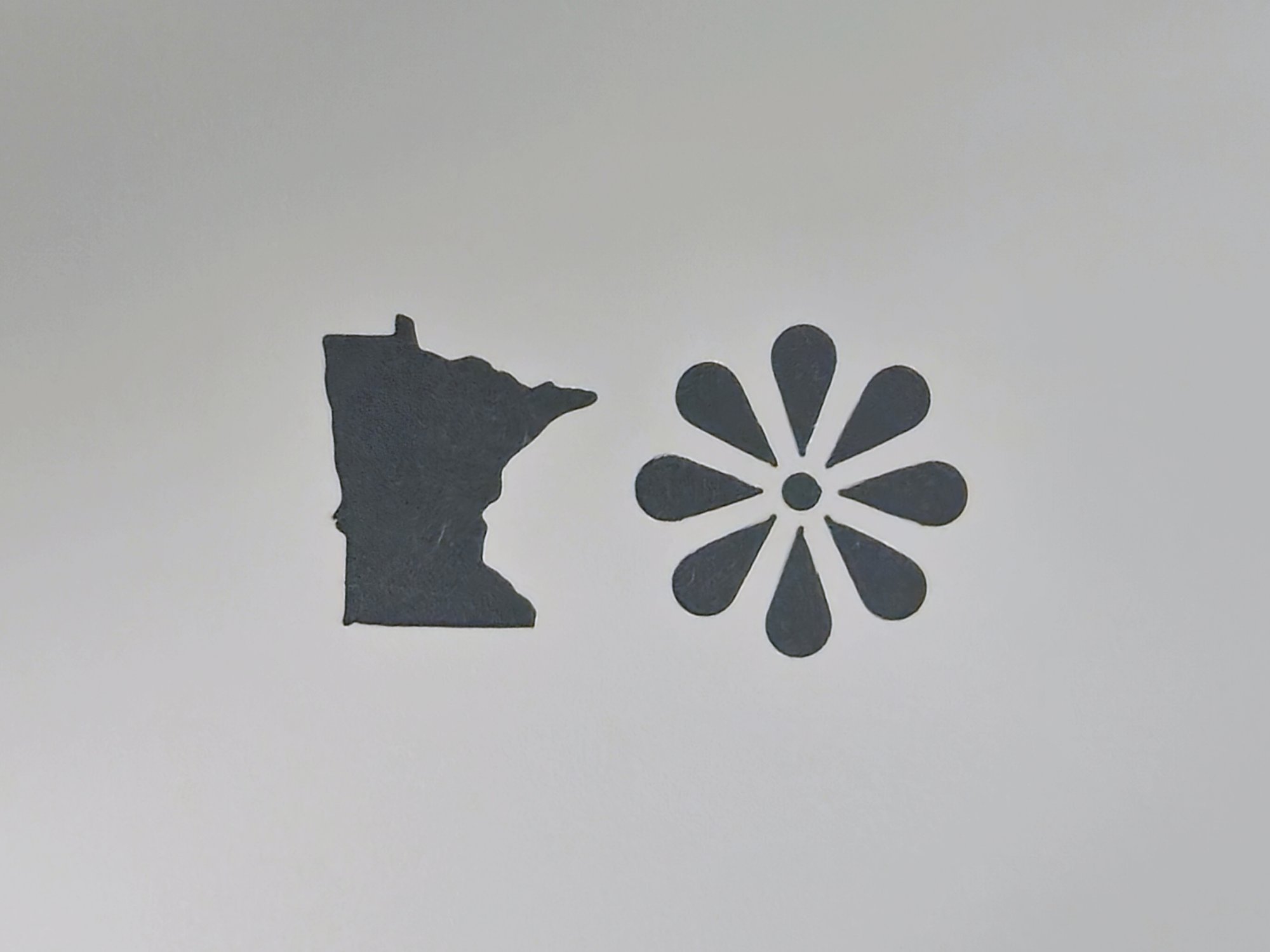
A Minnesota outline and an eight-petal flower, laser-cut as windows in clear polycarbonate film
Windows cut in 100 µm clear polycarbonate film.

Questions we get asked

Can you cut a card construction you have not run before?

That is the normal case. Laser source, power and parameters are established on your own laminate in the lab before anyone quotes a machine — edge condition, registration and any effect on embedded layers are measured on your material, not inferred from someone else's.

What happens to formats we run only occasionally?

They stop being a tooling decision. With no die to cut, hold and maintain per format, a short run costs its material and its machine time rather than its tooling — which is what usually makes low-volume credential work uneconomic.

The fastest way to find out is to send us the material.

Trials in the PhotonX lab come back as processed samples and a written report — not a proposal.