

Ablating
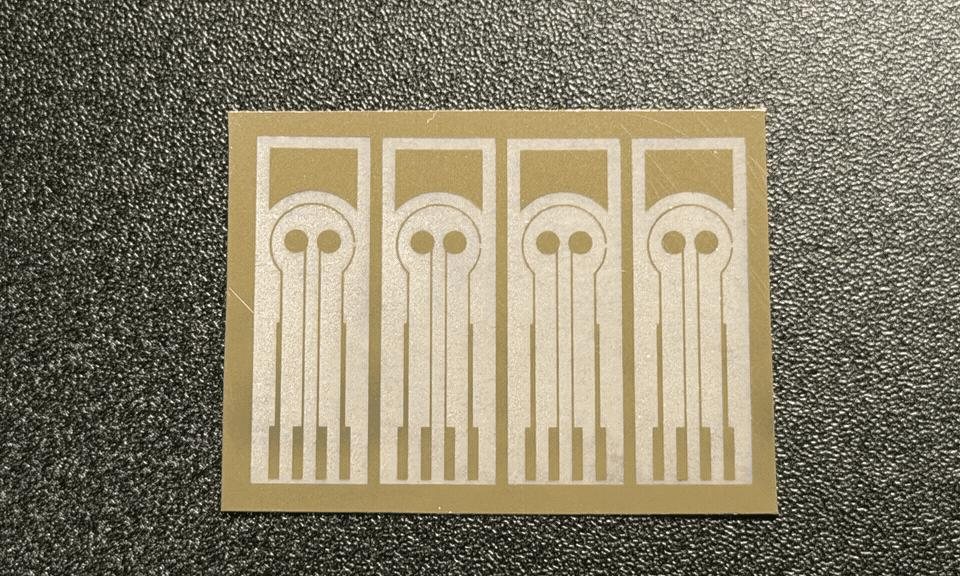
Functional electrodes
Selective ablation turns coated film into traces, sensing areas and isolation features straight from the design file, with the construction underneath preserved and multi-up layouts for repeatable production.
Equipment
Industry
LasX builds precision laser processing systems for medical device and life sciences manufacturing, and runs contract production with cleanroom environments, certified to ISO 13485 for non-metallic medical parts.
Applications
Selective ablation turns coated film into traces, sensing areas and isolation features straight from the design file, with the construction underneath preserved and multi-up layouts for repeatable production.
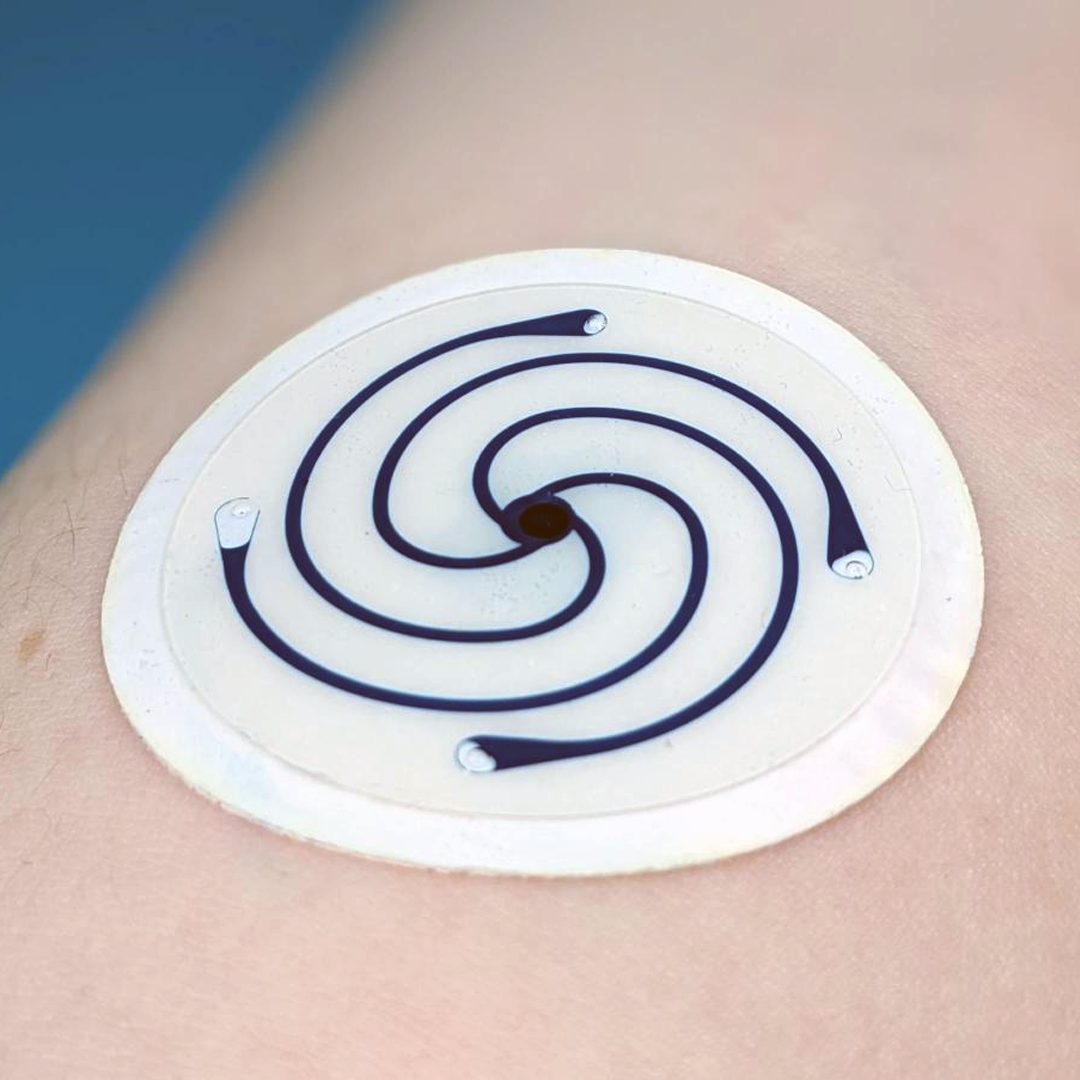
The metal comes off and the polymer stays. The electrode layout is a file, so geometry changes without new tooling.
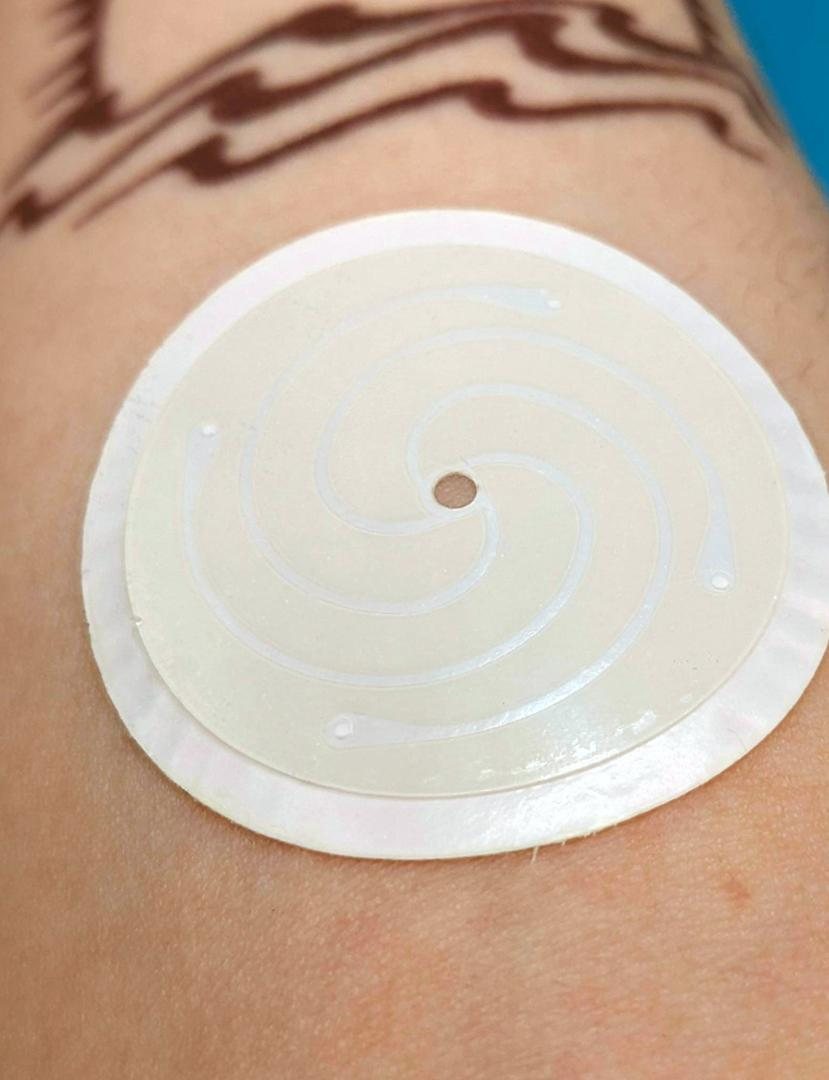
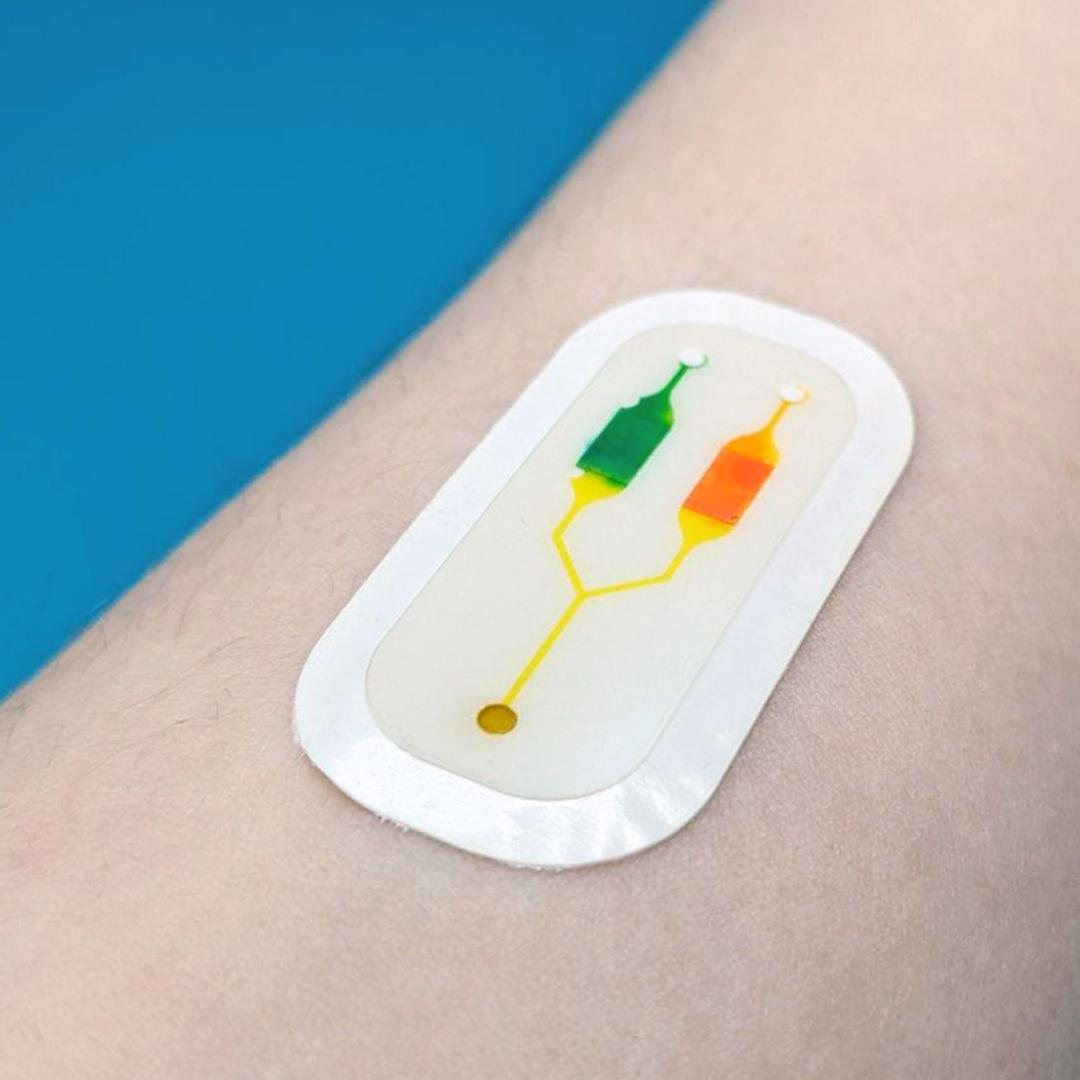
Precision cutting and kiss-cutting of thin-film polymers, adhesives and hydrogels, with venting and flow features, in multilayer cut-and-laminate assemblies. A demonstration developed with Adhesive Applications turned skin-safe materials into a functional device platform.
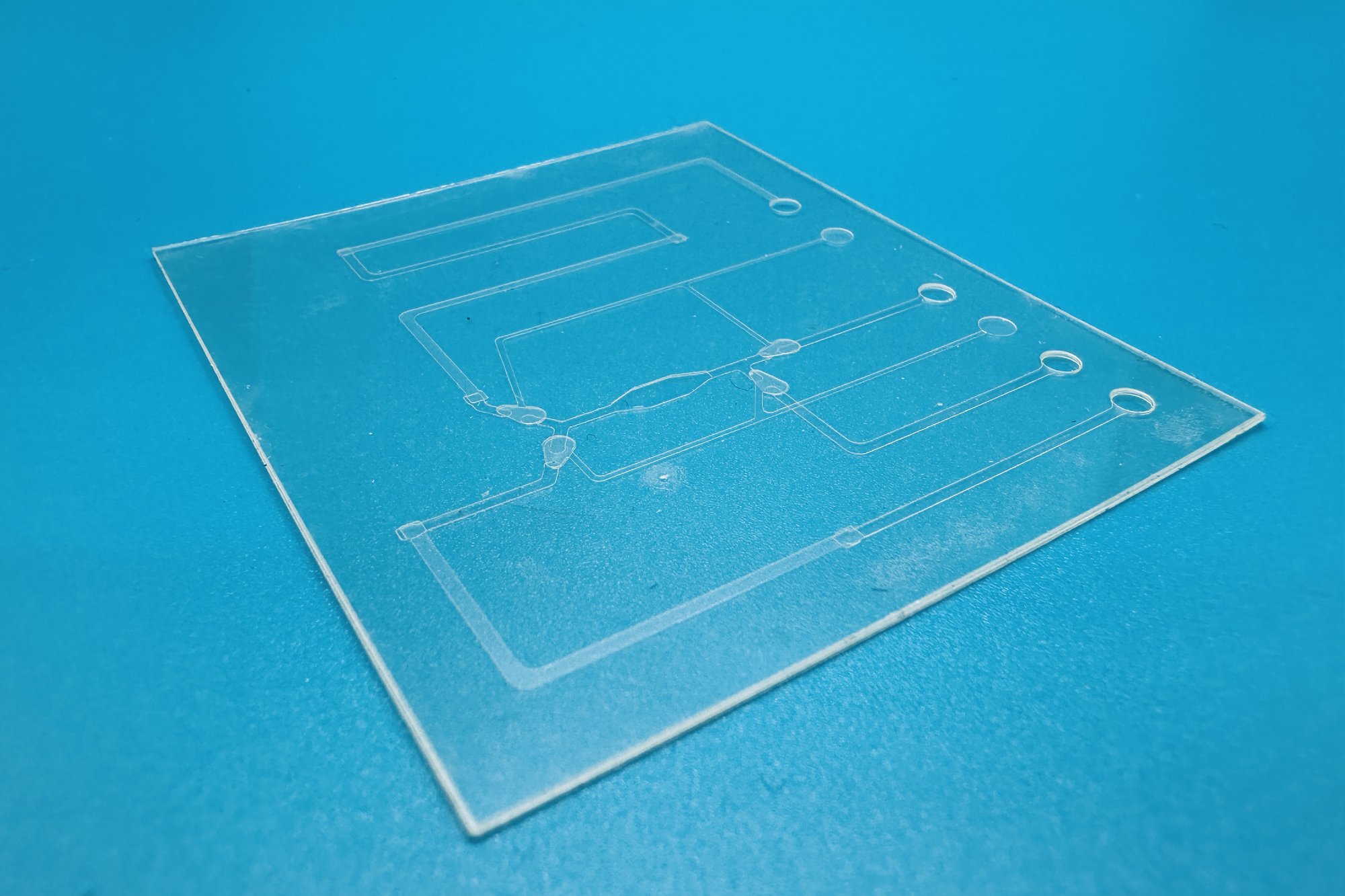
Channels, reservoirs and vent features to 25 µm in films and laminates, in register across the sheet. More in diagnostics.
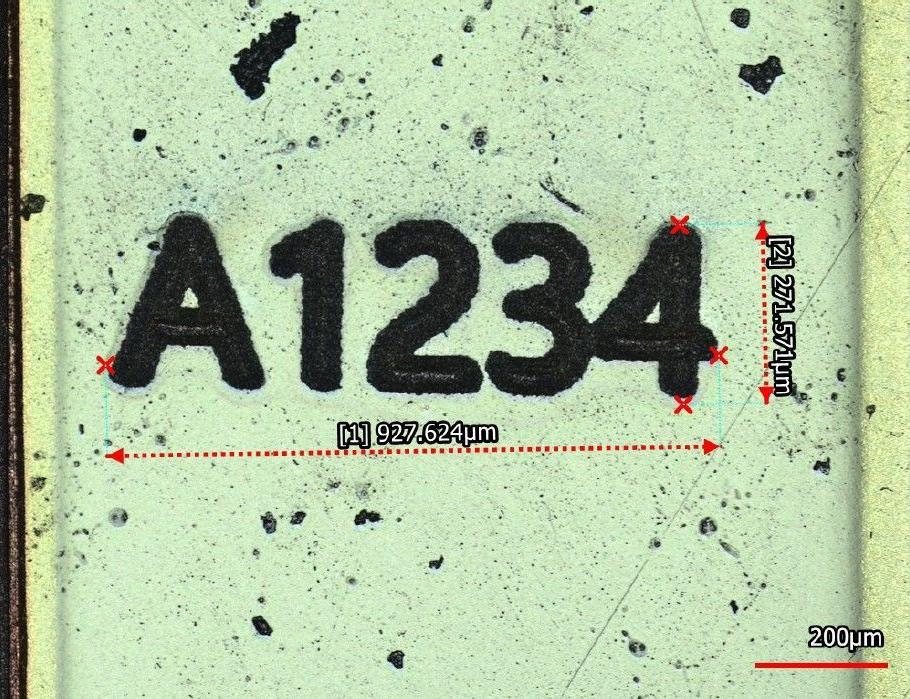
A 927 µm-wide machine-readable mark with clean edges.
Configured per application — ask a laser expert →
NIR nanosecond and femtosecond cutting of stainless and nitinol tubing with minimal heat-affected zone, then the finishing and inspection steps the device history file expects. Metal parts run under the same ISO 13485 quality system, but the certificate's current scope covers non-metallic parts; see what it covers.
Configured per application — ask a laser expert →
Skiving, side holes, tip features and marker-band work — drilled and cut without the deformation of mechanical tooling. Edge condition is measured on the part.
Configured per application — ask a laser expert →
Laser marks that survive sterilization and handling, verified inline and recorded against the lot.
Configured per application — ask a laser expert →
Laser micromachining and micro-joining where heat-affected zone and edge condition are measured on the part — across films, laminates, and device components.
Stable, validated recipes for polymers, adhesives, thin metals and nitinol, laminates, and glass or silicon — particulate and thermal input controlled to the device requirements you specify.
CAD-to-part speed and DOE tuning that move from feasibility to a documented process ready for your IQ/OQ/PQ; UDI marks verified to your readability specification, SPC and vision records, and documentation aligned to ISO 13485 and 21 CFR Part 820 — in non-contact, cleanroom-friendly workflows that scale.
ExactPro micromachines device components on a square bed to 670 × 670 mm, with 10 µm positional repeatability and a cleanroom configuration as standard; SheetPro takes large-format sheets and panels. Both register each part and compensate for distortion.
Non-metallic medical parts — films, laminates and device components — made in cleanroom environments under an ISO 13485-certified quality system, from feasibility parts through validated production.
In medical manufacturing the constraint is rarely whether a feature can be cut. It is whether the process can be documented, repeated, and defended in an audit.
Each phase creates the evidence for the next investment decision, and the same team carries the process through all six.
You get data before you commit capital, and you can stop at any phase or carry straight through to a machine of your own.
Process documentation from LasX equipment is built to support equipment qualification. Talk to us early — what a validation package needs is far easier to design in than to retrofit.
Any thermal process generates some. The relevant questions are how much, of what size, and whether extraction handles it for your cleanroom class. This is measured per material and per feature, not assumed.
Trials in the PhotonX lab come back as processed samples and a written report — not a proposal.